Hamstring Stretches for Kids Who Sit All Day
- Juliana Lucky

- 4 days ago
- 8 min read
Children today sit more than any previous generation. Between school desks, car seats, meal times, and screens, the average school-age child spends 8 to 10 hours a day in a seated position. All that sitting takes a toll on the hamstrings, the large muscles that run along the back of the thigh from the hip to the knee. When hamstrings get tight, they pull the pelvis backward, flatten the natural curve of the lower back, and set the stage for poor posture and back discomfort.
As a posture specialist, tight hamstrings are one of the most common findings in the children I assess. The pattern is predictable: a child sits all day, the hamstrings shorten and stiffen, the pelvis tilts, and the spine compensates. Hamstring stretches for kids are one of the simplest and most effective interventions I recommend. Six stretches, done 3 to 4 times a week, can make a noticeable difference in flexibility and posture within a month.
Why Sitting Tightens Hamstrings in Children
When a child sits in a chair, the knees are bent and the hamstrings are in a shortened position. Hold any muscle in a shortened position for hours every day, and it adapts by becoming tighter and less flexible. This is a basic principle of how muscles work: they adjust their resting length to match the positions they spend the most time in.
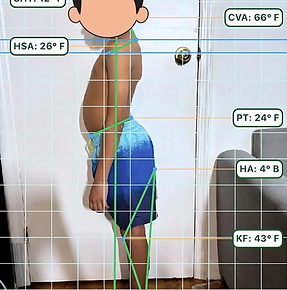
A study in the Journal of Physical Therapy Science found that hamstring tightness in school-age children was significantly associated with altered pelvic posture and increased lumbar flexion. In plain terms, tight hamstrings pull the pelvis into a tucked position, which flattens the lower back and forces the upper back to round forward to compensate. This is the slouching posture that so many parents notice but cannot fix with reminders alone.
The connection between hamstrings and desk posture in kids is direct. A child with flexible hamstrings can sit with their pelvis in a neutral position, which allows the spine to stack naturally. A child with tight hamstrings physically cannot maintain that position without effort, so they slump. Stretching the hamstrings removes the mechanical barrier that makes good sitting posture so difficult.

How to Tell If Your Child Has Tight Hamstrings
There is a simple test you can do at home. Have your child lie on their back on the floor. Keeping one leg flat on the ground, lift the other leg straight up (knee fully extended) as far as it will go comfortably. A child with good kids hamstring flexibility should be able to reach about 80 to 90 degrees, which means the leg is nearly vertical.
If the leg stops well below 70 degrees, or if your child complains of pulling behind the knee or thigh, the hamstrings are likely tight. Other signs to watch for:
Rounding the lower back immediately when sitting on the floor with legs straight.
Difficulty touching toes with straight knees during a standing forward fold.
Complaining of leg or lower back stiffness after sitting for a long time.
Walking with short, choppy strides instead of a smooth, longer gait.
Tight hamstrings are common and not a cause for alarm. They respond well to consistent stretching. If your child also experiences back pain or discomfort, hamstring flexibility is one of the first areas I assess because it so often contributes to the problem.
6 Hamstring Stretches for Kids Who Sit All Day
All of these stretches for kids who sit are safe for ages 5 and up. Hold each stretch for 20 to 30 seconds, breathe normally, and never push into pain. A gentle pulling sensation behind the thigh is the target.
1. Seated Forward Fold
This is the most classic hamstring stretch and a great starting point.
Sit on the floor with both legs straight out in front.
Keep the back tall and the chest lifted.
Hinge forward from the hips (not the waist), reaching toward the toes.
Go only as far as comfortable. The back should stay relatively flat, not rounded.
Hold for 20 to 30 seconds. Repeat 3 times.
The most common mistake with this stretch is rounding the back to reach the toes. The goal is to feel the stretch in the hamstrings, not to touch the toes. I tell kids to "lead with your chest, not your head" to keep the focus on the hip hinge.
2. Standing Toe Touch
A standing version of the forward fold that also stretches the calves.
Stand with feet hip-width apart.
Slowly bend forward from the hips, letting the arms hang toward the floor.
Keep a slight bend in the knees if the stretch feels too intense with straight legs.
Let the head hang heavy. Breathe into the stretch.
Hold 20 to 30 seconds. Roll up slowly to standing. Repeat 3 times.
This stretch works well as part of a bedtime stretching routine because the gentle forward fold helps the body wind down. My older daughter does this one every evening while we talk about her day.
3. Single-Leg Floor Stretch
Stretching one leg at a time allows you to notice side-to-side differences in flexibility.
Sit on the floor with the right leg extended straight and the left foot tucked against the right inner thigh.
Sit tall, then hinge forward from the hips toward the right foot.
Hold for 20 to 30 seconds.
Switch sides. Repeat 2 to 3 times per leg.
If one side is noticeably tighter, give that side an extra round. Imbalances are normal and usually relate to which leg the child favors during daily activities. Addressing the difference early prevents it from becoming a long-term pattern.
4. Supine Hamstring Stretch
Lying on the back takes the spine out of the equation and isolates the hamstring more precisely.
Lie on the back with both legs flat on the floor.
Lift the right leg toward the ceiling, keeping the knee straight.
Hold behind the thigh or calf (not the knee) and gently pull the leg toward the chest.
Keep the opposite leg flat and the hips on the ground.
Hold 20 to 30 seconds. Switch legs. Repeat 2 to 3 times.
A towel or resistance band looped around the foot can help if your child cannot reach their leg comfortably. This stretch gives the clearest sense of hamstring length because lying flat removes all the postural compensations that standing or sitting stretches allow.
5. Doorway Stretch
This passive stretch is ideal for children who resist holding stretches actively.
Lie on the back in a doorway.
Place one leg up against the door frame with the knee straight.
The other leg extends through the doorway along the floor.
Scoot closer to the door frame to increase the stretch intensity.
Hold 30 to 60 seconds per side. The door frame does the work, so the child can relax completely.
I love this stretch because it requires zero effort from the child. They can read a book or talk to you while their hamstring gets a sustained, gentle stretch. Passive stretches held for longer durations are very effective for kids who are significantly tight.
6. Walking High Kicks
A dynamic stretch that warms up the hamstrings while building coordination.
Stand at one end of the room.
Walk forward, and with each step kick one leg up toward the opposite hand.
Keep the kicking leg straight and the standing leg stable.
Alternate legs. Walk 10 to 15 steps across the room.
Repeat 2 to 3 trips.
This is the best hamstring exercises children can do as a warm-up before sports or active play. Dynamic stretches like high kicks prepare the muscle for movement better than static holds, so I recommend doing this one before physical activity and saving the static stretches for after activity or before bed.

A Weekly Hamstring Stretching Routine for Kids
Stretching needs to happen regularly to produce lasting changes in flexibility. Here is a simple plan that takes less than 10 minutes per session:
Monday and Wednesday: Seated forward fold + single-leg floor stretch + supine hamstring stretch. About 8 minutes.
Tuesday and Thursday: Walking high kicks + standing toe touch. About 5 minutes. Great before after-school activities.
Daily option: Doorway stretch for 1 to 2 minutes per side while your child reads or watches a show. This requires no effort and builds flexibility passively.
According to KidsHealth, stretching after physical activity when the muscles are warm is the safest and most effective time to improve flexibility. I agree, and I add that a short stretching session before bed is equally valuable because the body can hold longer stretches in a relaxed state.
The American Academy of Pediatrics encourages movement breaks throughout the school day for all children. Pairing a few hamstring stretches with posture exercises gives kids a quick reset that addresses both flexibility and alignment in one session.
When to Expect Results from Hamstring Stretching
Children's muscles respond to stretching faster than adult muscles do. Most kids will notice a difference in their toe-touch distance within 2 to 3 weeks of consistent practice. Visible changes in sitting posture, where the child can sit taller without rounding the lower back, often appear within 3 to 4 weeks.
Flexibility improvements will stall if stretching stops. The hamstrings will gradually return to their shortened state within a few weeks of inactivity. That is why building stretching into a regular routine matters more than doing intense stretch sessions sporadically. A little bit every day beats a lot once a week.
You May Also Like
Test Your Knowledge: Hamstring Stretches for Kids
See how much you picked up from this post. Check your answers below each question.
1. How do tight hamstrings affect a child's posture?
a) They make the child taller
b) They pull the pelvis backward, flattening the lower back curve and causing slouching
c) They strengthen the core
d) They improve balance
Answer: b) They pull the pelvis backward, flattening the lower back curve and causing slouching. Tight hamstrings create a mechanical barrier that makes it physically difficult for a child to sit upright.
2. What angle should a child's straight leg reach during a lying hamstring test?
a) 30 to 40 degrees
b) 50 to 60 degrees
c) 80 to 90 degrees
d) 120 degrees
Answer: c) 80 to 90 degrees. A child with good hamstring flexibility should be able to raise the straight leg to nearly vertical while lying on their back.
3. When is the best time to do static hamstring stretches?
a) First thing in the morning before any movement
b) After physical activity when muscles are warm, or before bed
c) Only during P.E. class
d) Right before sprinting
Answer: b) After physical activity when muscles are warm, or before bed. Warm muscles stretch more safely and effectively, and the relaxed state before bed allows for longer, gentler holds.
4. What makes the doorway stretch especially good for reluctant stretchers?
a) It hurts less than other stretches
b) It requires zero effort because the door frame holds the leg in position
c) It only takes 5 seconds
d) It can be done in shoes
Answer: b) It requires zero effort because the door frame holds the leg in position. The child can relax completely while getting a sustained, passive hamstring stretch.
5. How soon can children typically see flexibility improvements with consistent stretching?
a) 1 day
b) 2 to 3 weeks
c) 6 months
d) 1 year
Answer: b) 2 to 3 weeks. Children's muscles respond to stretching faster than adults. Most kids will notice a difference in their toe-touch distance within a few weeks.
A Full Program Built Around These Stretches
Hamstring flexibility is one piece of the posture puzzle. For a complete, video-guided program that addresses flexibility, strength, and alignment together, my Posture and Feet course gives you and your child a step-by-step plan that builds lasting results.
Flexible hamstrings let the pelvis sit where it should, and that gives the whole spine a better foundation.




Comments