Shoulder Blade Exercises for Kids Who Hunch Forward
- Juliana Lucky

- Jul 8
- 8 min read
When a child hunches forward, the shoulder blades drift apart and the muscles between them weaken. Over time, the upper back rounds, the shoulders roll inward, and the head shifts forward. I see this pattern in nearly every child who spends significant time at a desk or with a screen, and it is one of the most responsive postural issues to correct with the right exercises.
Shoulder blade exercises kids can do at home target the rhomboids, middle trapezius, and lower trapezius, which are the muscles responsible for pulling the shoulder blades together and down into their proper position. When these muscles are strong, the shoulders sit back naturally and the chest opens without the child needing to think about it. Here are the exercises I use most and how to build them into a simple weekly routine.
Why Shoulder Blade Strength Matters for Kids' Posture
The shoulder blades (scapulae) are not just passive bones sitting on the back. They are the anchor points for nearly every muscle that controls arm movement and upper body posture. When the muscles around the shoulder blades are weak, the blades wing outward, the shoulders round forward, and the upper spine curves into a hunched position.
Research published in the Journal of Physical Therapy Science found that scapular stabilization exercises significantly improved forward head posture and rounded shoulders in study participants. The principle applies directly to children: strengthen the muscles that hold the shoulder blades in place, and the rest of the upper body alignment improves as a result.
My older daughter, who is 9, started hunching during online schooling. Her shoulders crept forward, her upper back rounded, and she complained about tightness between her shoulder blades. Within three weeks of targeted scapular exercises children can do easily, the hunching was noticeably reduced. The key was consistency: 5 to 8 minutes daily rather than one long session per week.
Children who hunch forward often also show signs of poor desk posture. Addressing both the muscle weakness and the sitting habits together produces the fastest results. The exercises below handle the muscle side of the equation.

6 Shoulder Blade Exercises for Kids Who Hunch Forward
All of these exercises are equipment-free and safe for children ages 5 and up. Start with the first three for the first week, then add one new exercise each week. Each takes 1 to 3 minutes. Practice them barefoot or in socks on a flat surface.
1. Shoulder Blade Squeezes
This is the most fundamental shoulder blade strengthening kids posture exercise. It teaches the child what it feels like to activate the muscles between the shoulder blades.
Stand or sit tall with arms relaxed at the sides.
Squeeze the shoulder blades together as if holding a pencil between them.
Hold for 5 seconds. Release slowly.
Do 10 to 12 repetitions for 2 sets.
Tell your child to imagine they are trying to make their shoulder blades touch. They will not actually touch, but the mental image helps them find the right muscles. Watch that the shoulders stay down during the squeeze. A common mistake is shrugging the shoulders toward the ears instead of pulling the blades together.
2. Wings of the Airplane
This exercise from my program combines a shoulder blade squeeze with arm movement to increase the challenge.
Stand tall with arms hanging at the sides, palms facing forward.
Lift both arms straight out to the sides until they reach shoulder height.
At the top, squeeze the shoulder blades together firmly.
Hold for 3 seconds, then lower slowly.
Do 8 to 10 repetitions for 2 sets.
The palms-forward position externally rotates the shoulders, which is the opposite of the hunched position. This is important because children who hunch tend to sit with internally rotated shoulders. Practicing the opposite pattern retrains the muscles and builds the strength to hold the corrected position throughout the day.
3. Prone Y Raises
Lying face down takes gravity out of the equation for the spine and adds it to the arm and shoulder blade muscles, which makes this exercise surprisingly effective.
Lie face down on a rug or yoga mat with arms extended overhead in a Y shape (wider than shoulder width).
Thumbs point toward the ceiling.
Lift both arms a few inches off the ground by squeezing the shoulder blades together.
Hold for 3 seconds. Lower slowly.
Do 8 to 10 repetitions for 2 sets.
The lift does not need to be high. Even a small raise off the ground activates the lower trapezius, which is one of the most important and most neglected muscles for correcting rounded posture in children. I use this exercise regularly with kids who slouch during homework because it directly strengthens the muscles that hold the upper back upright.

4. Wall Angels
Wall angels are one of the best exercises for teaching a child what proper upper body alignment feels like.
Stand with the back flat against a wall, feet about 6 inches from the base.
Press the head, upper back, and lower back against the wall.
Raise the arms to shoulder height with elbows bent at 90 degrees, like a goalpost. Press the backs of the hands against the wall.
Slowly slide the arms up toward the ceiling, keeping contact with the wall.
Slide back down. Do 8 to 10 repetitions for 2 sets.
Most children will find it difficult to keep their hands and arms touching the wall throughout the full range. That difficulty is the point. It reveals how tight the chest muscles have become and how weak the upper back muscles are. Over 2 to 3 weeks of daily practice, the range of motion improves noticeably. According to KidsHealth, good posture is easier to maintain when both the front and back of the upper body are balanced in strength.
5. Band Pull-Apart (Towel Version)
If you do not have a resistance band, a hand towel works well for this scapular strengthening exercise.
Hold a hand towel in both hands with arms extended straight out in front at shoulder height.
Pull the towel apart by squeezing the shoulder blades together, moving the hands outward.
Hold at the widest point for 3 seconds.
Return to the starting position slowly.
Do 10 to 12 repetitions for 2 sets.
The towel provides tactile feedback so the child knows they are pulling and not just moving their arms. Encourage your child to focus on feeling the muscles between the shoulder blades working. This exercise pairs well with the posture exercises I share in other posts for a complete upper body correction routine.
6. Superman Hold
The superman hold strengthens the entire posterior chain, from the shoulder blades down through the lower back and glutes.
Lie face down on a rug or mat with arms extended straight ahead.
Lift the arms, chest, and legs a few inches off the ground simultaneously.
Squeeze the shoulder blades together at the top.
Hold for 5 to 10 seconds. Lower slowly.
Do 6 to 8 repetitions for 2 sets.
Kids enjoy this one because the position makes them feel like they are flying. My 9-year-old calls it her "superhero pose." The hold should feel like moderate effort in the upper back, not strain in the lower back. If the lower back hurts, have the child reduce the lift height or keep the legs on the ground and only raise the upper body.

How to Build a Weekly Shoulder Blade Strengthening Routine
Short daily sessions produce the best results for shoulder blade strengthening kids posture habits. Here is the progression I recommend:
Week 1 to 2: Shoulder blade squeezes, Wings of the Airplane, and prone Y raises. 5 minutes daily.
Week 3 to 4: Add wall angels and towel pull-aparts. Sessions grow to 8 minutes.
Week 5 onward: Add superman holds. Full session runs about 10 minutes. Maintain daily practice for lasting results.
The best time to do these exercises is right after homework or screen time, when the hunching pattern is freshest. The exercises serve as a physical reset that counteracts the forward posture from sitting. Within 3 to 4 weeks of daily practice, most parents notice that their child stands taller and hunches less during the day.
The American Academy of Pediatrics recommends that children include muscle-strengthening activities at least 3 days per week. Shoulder blade exercises count toward this recommendation and serve double duty by also improving posture.
Signs the Shoulder Blade Exercises Are Working
Parents often ask how they will know the exercises are making a difference. Here are the changes to watch for:
The child's shoulders sit further back at rest instead of rolling forward.
Winging of the shoulder blades (where they poke out visibly from the back) decreases.
The child can hold wall angels through a fuller range of motion with hands staying in contact with the wall.
The child reports less tightness or discomfort in the upper back after sitting.
You notice the child sitting taller during meals or homework without being reminded.
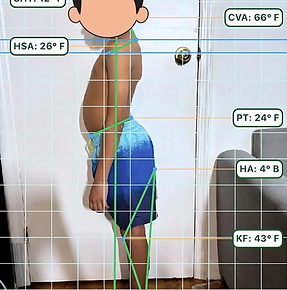
Take a photo of your child's posture from the side on day one and again after 4 weeks. The visual comparison is often more convincing than any single observation. For children who also show screen-time related posture changes, pairing these exercises with adjusted screen habits accelerates the improvement.
You May Also Like
Test Your Knowledge: Shoulder Blade Exercises for Kids
See how much you picked up from this post. Check your answers below each question.
1. What muscles do shoulder blade exercises primarily target?
a) Biceps and triceps
b) Rhomboids, middle trapezius, and lower trapezius
c) Abdominals and obliques
d) Calf muscles
Answer: b) Rhomboids, middle trapezius, and lower trapezius. These are the muscles that pull the shoulder blades together and down, holding them in proper position for good posture.
2. What is the most important thing to watch for during shoulder blade squeezes?
a) Keeping the eyes closed
b) Making sure the shoulders stay down and do not shrug toward the ears
c) Holding the breath
d) Bending the knees
Answer: b) Making sure the shoulders stay down and do not shrug toward the ears. Shrugging engages the upper trapezius instead of the muscles that correct hunching.
3. Why is the prone Y raise effective for rounded posture?
a) It stretches the hamstrings
b) It activates the lower trapezius, one of the most neglected muscles for correcting rounded posture
c) It strengthens the chest muscles
d) It improves ankle stability
Answer: b) It activates the lower trapezius, one of the most neglected muscles for correcting rounded posture. The lower trapezius pulls the shoulder blades down and in, directly counteracting the forward hunch.
4. When is the best time to do these exercises?
a) First thing in the morning only
b) Right after homework or screen time
c) Only on weekends
d) Right before bed
Answer: b) Right after homework or screen time. The exercises serve as a physical reset that directly counteracts the forward posture from sitting and screen use.
5. How long does it typically take to see posture improvements from these exercises?
a) 1 to 2 days
b) 3 to 4 weeks of daily practice
c) 6 months
d) Results appear immediately
Answer: b) 3 to 4 weeks of daily practice. Most parents notice their child standing taller and hunching less within this timeframe when the exercises are done consistently.
A Full Program Built Around These Exercises
Shoulder blade strengthening is one part of a complete posture correction approach. For a structured, video-guided program that combines upper back work with core strengthening, foot exercises, and full postural alignment, my Posture and Feet course gives you age-appropriate progressions for every area of the body.
Strong shoulder blades hold the posture in place, and consistent daily practice makes the correction stick.




Comments