Physical Activity Guidelines for Kids by Age
- Juliana Lucky

- Jul 6
- 7 min read
One of the most common questions I hear from parents is how much activity their child actually needs each day. The answer changes as children grow, and the official physical activity guidelines kids age recommendations can feel abstract without practical examples. Telling a parent that their 6-year-old needs 60 minutes of moderate-to-vigorous activity is accurate, but it does not tell them what that looks like on a Tuesday evening after homework and dinner.
I have two daughters, ages 5 and 9, and meeting the daily activity targets requires some planning. It is not about structured gym sessions. It is about layering movement into the day so that by bedtime, the body has done what it needs to stay strong, coordinated, and growing well. Here is a breakdown of exercise recommendations children age by age, along with real ideas that work for busy families.
Physical Activity Guidelines for Toddlers (Ages 1 to 3)
Toddlers need at least 180 minutes (3 hours) of physical activity spread throughout the day, according to the World Health Organization. This includes all types of movement, from energetic running to gentle walking and free play. At least 60 of those minutes should be moderate-to-vigorous activity by the time the child is 3.
For toddlers, physical activity looks like:
Walking, running, climbing stairs, and crawling through tunnels at the playground.
Dancing to music in the living room.
Pushing a toy stroller, pulling a wagon, or carrying light objects around the house.
Playing in a sandbox, digging, pouring, and moving around.
Barefoot play on grass, sand, or textured surfaces to develop foot strength and coordination.
At this age, movement should be unstructured and play-based. Toddlers do not need exercise programs. They need space, time, and permission to move freely. The biggest risk at this age is too much time strapped in a stroller, car seat, or high chair. Limiting seated time to no more than 60 consecutive minutes (except during sleep) is the key recommendation.

Physical Activity Guidelines for Preschoolers (Ages 3 to 5)
Preschoolers still need at least 180 minutes of daily activity, but the intensity should increase. The CDC recommends that preschool-age children be active throughout the day, with a mix of light activity (walking, gentle play) and energetic movement (running, jumping, climbing).
My younger daughter is in this age range, and here is what a typical active day looks like for her:
Morning: 10 minutes of a simple movement routine before getting dressed. We do animal walks and stretches together.
Midday: Outdoor play at a park, riding a balance bike, or running around the backyard. This is usually 30 to 60 minutes.
Afternoon: Climbing on play equipment, playing tag with her sister, or having a dance party indoors if the weather is poor.
Evening: Helping with light chores (carrying laundry, sweeping), followed by a short stretching or balance session before bed.
None of these activities require equipment or scheduling. The total adds up to 2 to 3 hours of movement without any single block lasting more than an hour. That layered approach is what makes physical activity guidelines kids age 3 to 5 manageable for real families.
How Much Activity Kids Need at Ages 6 to 12
Starting at age 6, the recommendation shifts to at least 60 minutes of moderate-to-vigorous physical activity every day. The American Academy of Pediatrics specifies that these 60 minutes should include three types of activity spread across the week:
Aerobic activity should make up most of the 60 minutes. Running, biking, swimming, active games, and brisk walking all count. At least 3 days per week should include vigorous intensity (activities that make the child breathe hard and sweat).
Muscle-strengthening activity at least 3 days per week. This includes climbing, push-ups, core exercises, gymnastics, and playing on playground equipment. Children do not need to lift weights. Body-weight activities and active play provide all the resistance their growing muscles need.
Bone-strengthening activity at least 3 days per week. Jumping, running, hopscotch, skipping rope, and basketball all provide the impact forces that stimulate bone growth. Strong bones built during childhood carry into adulthood.
The 60-minute target does not need to happen in a single block. Three 20-minute sessions work just as well. A child who walks to school (15 minutes), has active recess (20 minutes), and plays outside after school (25 minutes) has already hit the target without any formal exercise program.

Physical Activity Guidelines for Teenagers (Ages 13 to 17)
The recommendation stays at 60 minutes of moderate-to-vigorous activity daily through the teen years. The types of activity shift toward more structured options as children mature: sports teams, strength training, running programs, martial arts, dance, and other organized activities.
Teenagers face unique challenges when it comes to staying active. School workloads increase, screen time rises, and social dynamics can make physical activity feel less appealing. Research shows that activity levels drop significantly during adolescence, particularly among girls. The CDC reports that only about 24 percent of children ages 6 to 17 meet the daily 60-minute target.
What helps teens stay active is finding movement they genuinely enjoy. For some, that is a competitive sport. For others, it is hiking, cycling, skateboarding, or following along with an online workout. The goal is sustainability, not perfection. Even on busy school days, a 20-minute walk, a 15-minute stretch session, and active transportation (biking or walking to school) can add up to meaningful totals.
Practical Ways to Meet Activity Guidelines Every Day
Knowing how much activity kids need is the easy part. Fitting it in is the challenge. Here are the strategies that work for our family and for the families I coach:
Anchor movement to daily transitions. A 5-minute morning movement routine, a walk after dinner, and stretching before bed create three built-in windows for activity that do not require scheduling.
Make screen time earn its place. In our house, 5 minutes of movement comes before any screen time. It is not a punishment. It is just the rhythm of the day. Getting kids to exercise daily works best when the habit is attached to something they already want to do.
Use weekends for longer play. Weekdays can be tight, so use Saturday and Sunday for extended outdoor time: bike rides, hikes, park trips, or backyard games. These sessions also give parents a chance to be active alongside their children.
Build a family exercise routine. Even 10 minutes of family movement done together builds the habit faster than telling children to go play. Kids mirror what parents do.
Count all movement, not just formal exercise. Walking the dog, carrying groceries, playing at recess, riding a bike to a friend's house, and cleaning their room all contribute to the daily total. Parents often undercount because they only think of structured sports and classes.

What Happens When Kids Do Not Move Enough
Insufficient physical activity in childhood is linked to a range of outcomes that affect both short-term well-being and long-term health:
Weaker muscles and bones, which increases the risk of injuries during play and sports.
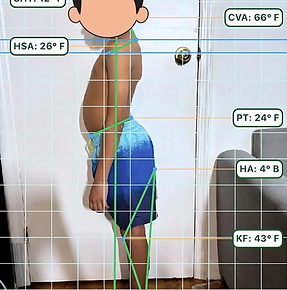
Poor posture from weak core and back muscles, often showing up as slouching, rounded shoulders, or forward head position.
Increased risk of childhood obesity, which affects about 1 in 5 children in the United States.
Lower mood and higher anxiety. Regular physical activity supports mental health by reducing stress hormones and increasing endorphins.
Poorer sleep quality. Active children fall asleep faster and sleep more deeply than sedentary children.
The posture connection is the one I see most clearly in my work. Children who sit for long hours and move for short ones almost always develop postural imbalances. These are not permanent, but they do require consistent movement to correct. Building activity into each day is the most effective prevention.
Quick Reference: Activity Guidelines by Age
Ages 1 to 2: At least 180 minutes of any intensity throughout the day. Limit time in strollers and high chairs.
Ages 3 to 5: At least 180 minutes, including 60 minutes of moderate-to-vigorous activity. Active play, not structured exercise.
Ages 6 to 12: At least 60 minutes of moderate-to-vigorous daily. Include aerobic, muscle-strengthening, and bone-strengthening activities each week.
Ages 13 to 17: At least 60 minutes of moderate-to-vigorous daily. Structured sports, active transportation, and enjoyable movement all count.
You May Also Like
Test Your Knowledge: Physical Activity Guidelines for Kids
See how much you picked up from this post. Check your answers below each question.
1. How much daily physical activity do children ages 6 to 17 need?
a) 30 minutes
b) 60 minutes of moderate-to-vigorous activity
c) 2 hours
d) As much as they feel like
Answer: b) 60 minutes of moderate-to-vigorous activity. This is the minimum daily recommendation from the CDC and the American Academy of Pediatrics for school-age children and teens.
2. How much total daily activity do toddlers (ages 1 to 3) need?
a) 30 minutes
b) 60 minutes
c) At least 180 minutes (3 hours) spread throughout the day
d) No specific guideline exists
Answer: c) At least 180 minutes (3 hours) spread throughout the day. This includes all types of movement from gentle walking to energetic running and climbing.
3. What three types of activity should school-age children include each week?
a) Swimming, cycling, and running only
b) Aerobic, muscle-strengthening, and bone-strengthening activities
c) Stretching, yoga, and meditation
d) Walking, sitting, and standing
Answer: b) Aerobic, muscle-strengthening, and bone-strengthening activities. Each type should be included at least 3 days per week within the daily 60-minute target.
4. Does the 60-minute daily target need to happen in a single block?
a) Yes, it must be continuous
b) No, it can be broken into shorter sessions throughout the day
c) Only on weekdays
d) Only if the child is in a sport
Answer: b) No, it can be broken into shorter sessions throughout the day. Three 20-minute sessions are just as effective as one 60-minute block.
5. What percentage of US children ages 6 to 17 currently meet the daily activity guideline?
a) About 75 percent
b) About 50 percent
c) About 24 percent
d) About 90 percent
Answer: c) About 24 percent. The CDC reports that fewer than 1 in 4 children meet the recommended 60 minutes of daily activity, making intentional movement habits more important than ever.
More Movement, Better Posture
Meeting the daily activity guidelines is the foundation. For families who also want to improve their child's posture, foot alignment, or core strength, my Posture and Feet course provides structured, video-guided exercises that fit into any daily routine in just 10 to 15 minutes.
Building a movement habit today gives your child a body that works well for years to come.




Comments