After-School Movement Routine to Reset Your Child's Posture
- Juliana Lucky

- Jun 29
- 8 min read
By the time your child walks through the door after school, their body has spent 6 to 7 hours in positions it was never designed to hold. Sitting at a desk, hunching over worksheets, looking down at a tablet, carrying a heavy backpack. The muscles on the front of the body have been shortened and compressed all day. The muscles on the back have been stretched and weakened. The result is a child who stands with rounded shoulders, a forward head, and a general heaviness that shows up in their posture and energy level.
An after school movement routine kids can do in 10 minutes reverses these patterns before they become permanent. It is not about an intense workout. It is about opening what has been closed, activating what has been dormant, and giving the body a chance to reset before the evening begins. In my family, this routine happens between the backpack hitting the floor and homework starting. It has changed how both my daughters carry themselves through the rest of the day. Here is the routine and the science behind it.
What a Full Day of Sitting Does to a Child's Body
Prolonged sitting affects children differently than adults because their musculoskeletal system is still developing. The positions they hold repeatedly during formative years can influence how their muscles, bones, and connective tissues grow. A study published in the International Journal of Environmental Research and Public Health found that school-age children who sat for extended periods showed measurable changes in spinal curvature, hip flexor tightness, and postural muscle endurance compared to more active peers.
Here is what happens during a typical school day:
Hip flexors shorten and tighten. These muscles at the front of the hip stay in a shortened position while sitting. When the child stands up, the tight hip flexors pull the pelvis into a forward tilt, which increases the curve in the lower back.
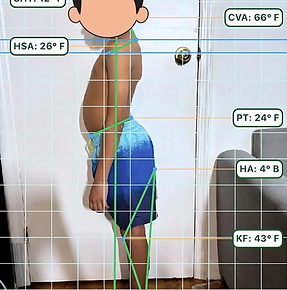
Chest muscles compress. Hunching over a desk causes the pectoral muscles to shorten. This pulls the shoulders forward and creates the rounded-shoulder posture that parents notice when their child stands sideways in front of a mirror.
Upper back muscles weaken. The muscles between the shoulder blades (rhomboids and lower trapezius) stay in a lengthened, inactive position all day. Without regular activation, they lose the strength needed to hold the shoulders back.
The neck cranes forward. Looking down at books, tablets, or desks pushes the head forward of the shoulders. For every inch the head moves forward, the neck muscles bear an additional 10 pounds of effective weight. I cover the full impact of this in my post on desk posture for kids at school.
Glutes deactivate. Sitting compresses the glute muscles and reduces their activation. After hours of sitting, these muscles do not fire efficiently when the child stands, walks, or runs, which affects pelvic stability and lower body alignment.
The American Academy of Pediatrics recommends that children get at least 60 minutes of physical activity daily. An after-school movement routine contributes to that goal while specifically targeting the postural imbalances that school creates.

The 10-Minute After-School Posture Reset Routine for Kids
This posture reset routine kids can do targets every area that gets compressed or weakened during a school day. The exercises are arranged in a logical sequence: first we open and stretch what has been shortened, then we activate and strengthen what has been dormant. No equipment needed.
Phase 1: Open and Stretch (5 Minutes)
1. Overhead Reach and Side Bend. Stand tall with feet hip-width apart. Reach both arms overhead and clasp the hands together. Lean gently to the right, feeling a stretch along the entire left side of the body. Hold for 10 seconds. Return to center and lean to the left. Do 3 rounds per side. This opens the ribcage, stretches the intercostal muscles between the ribs, and decompresses the spine after hours of sitting compressed.
2. Doorway Chest Opener. Stand in a doorway with arms raised at shoulder height, forearms on the door frame. Step one foot through the doorway until a gentle stretch is felt across the chest and front of the shoulders. Hold for 20 seconds, then switch the forward foot. This directly counteracts the chest compression from hunching over a desk. My older daughter says this is the one she feels the most after a long school day.
3. Hip Flexor Lunge Stretch. Kneel on one knee with the other foot flat on the floor in front (like a proposal position). Gently press the hips forward until a stretch is felt at the front of the hip on the kneeling side. Hold for 20 seconds per side. Use a pillow under the knee for comfort. This lengthens the hip flexors that have been shortened all day. As noted in my post on posture exercises for kids at home, hip flexor length is one of the most important factors in standing posture.
4. Neck Release. Sit or stand tall. Drop the right ear toward the right shoulder (without lifting the shoulder). Hold for 15 seconds. Gently roll the chin toward the chest and over to the left ear. Hold for 15 seconds. Repeat once per side. This releases the tension that builds in the neck and upper trapezius muscles from looking down at desks and screens all day.
Phase 2: Activate and Strengthen (5 Minutes)
5. Wall Angels. Stand with back, head, and buttocks against a wall. Arms in cactus position (elbows bent 90 degrees at shoulder height). Slide arms up overhead, keeping contact with the wall, then back down. Do 10 slow repetitions. This activates the upper back muscles that have been dormant and teaches the body what proper shoulder blade positioning feels like.
6. Bridge with Squeeze. Lie on the back with knees bent and feet flat on the floor. Press through the heels, lift the hips, and squeeze the glutes hard at the top. Hold for 5 seconds. Lower slowly. Do 10 repetitions. This reactivates the glute muscles that sat dormant all day and resets the pelvic position. For children who tend to slouch when standing, strong glutes are essential because they control the base of the spine.
7. Prone Y Raise. Lie face down with arms extended overhead in a Y position (slightly wider than shoulder width). Lift both arms off the ground as high as comfortable, squeezing the shoulder blades together. Hold for 3 seconds. Lower. Do 10 repetitions. This specifically targets the lower trapezius and rhomboid muscles that weaken during forward-leaning desk posture. It is one of the most effective after school exercises children can do for their upper back.
8. Dead Bug. Lie on the back with arms reaching toward the ceiling and knees bent at 90 degrees (shins parallel to the floor). Slowly lower the right arm overhead and the left leg toward the floor at the same time, keeping the lower back pressed flat against the ground. Return to the starting position and switch sides. Do 8 per side. Dead Bug is one of the best core stabilization exercises because it trains the deep abdominal muscles to hold the spine in a neutral position, which is exactly what good standing posture requires.

Making the After-School Routine Stick
Consistency is what turns a routine into a result. Here is how to make this after-school movement habit last:
Same time every day. Right after the backpack comes off, before snack or homework. If you wait until after homework, it rarely happens. The transition from school to home is the ideal window.
Keep it to 10 minutes. Longer is not better for habit formation. Ten minutes is short enough that it never feels burdensome and long enough to produce real results.
Play background music. Let your child pick 2 to 3 songs that last about 10 minutes total. When the music ends, the routine is done. This gives a clear start and finish.
Participate. Your body has been sitting too, probably at a desk or in a car. This routine works for adults as well as children. When the family does it together, it becomes a shared practice rather than something imposed on the child.
According to KidsHealth, children who are physically active after school show better focus during homework, improved mood, and better sleep quality. The posture benefits are one layer; the ripple effects on energy, mood, and academic performance are another. Screen time after school is another factor that can compound the damage from sitting all day. My post on screen time and posture explains how to manage both.
In my house, the after-school routine has been running for over a year. Both girls know the exercises by heart. Some days they race through them to get to their snack. Other days they linger and add extra stretches. The point is that it happens every day, and the cumulative effect is visible. Their posture at the dinner table is noticeably better than it was a year ago. Their backpack does not produce the same end-of-day complaints it used to. Pairing this with a morning movement routine means their bodies get two resets per day, bookending the long hours of sitting in between.
You May Also Like
Test Your Knowledge: After-School Movement for Kids
See how much you picked up from this post. Check your answers below each question.
1. What happens to the hip flexors during a full day of sitting at school?
a) They get stronger
b) They shorten and tighten, pulling the pelvis into a forward tilt
c) Nothing changes
d) They lengthen
Answer: b) They shorten and tighten, pulling the pelvis into a forward tilt. This increased pelvic tilt creates an exaggerated curve in the lower back and contributes to poor standing posture.
2. Why is the routine split into two phases (stretch then activate)?
a) To make it longer
b) First you open and lengthen what sitting shortened, then you strengthen what sitting weakened
c) Both phases do the same thing
d) Only the second phase matters
Answer: b) First you open and lengthen what sitting shortened, then you strengthen what sitting weakened. This sequence addresses both sides of the postural imbalance that school-day sitting creates.
3. What do Bridge exercises reactivate after a day of sitting?
a) The arm muscles
b) The glute muscles that control pelvic position
c) The neck muscles
d) The finger muscles
Answer: b) The glute muscles that control pelvic position. Sitting compresses and deactivates the glutes. Bridges wake them up and reset pelvic alignment for better standing posture.
4. When is the best time to do the after-school movement routine?
a) Right before bedtime
b) Right after the backpack comes off, before snack or homework
c) After homework is done
d) Only on weekends
Answer: b) Right after the backpack comes off, before snack or homework. The transition from school to home is the ideal window. If you wait until after homework, it rarely happens.
5. Besides posture improvement, what other benefits does after-school movement provide?
a) No other benefits
b) Better focus during homework, improved mood, and better sleep quality
c) Only weight loss
d) It makes children tired
Answer: b) Better focus during homework, improved mood, and better sleep quality. Physical activity after school has ripple effects on energy, mood, and academic performance beyond the posture benefits.
More Movement, Better Posture
This after-school routine is a strong daily reset. For a complete program that builds on these exercises with progressive strength work, alignment correction, and video demonstrations, my Posture and Feet course gives families everything they need in one place.
Ten minutes a day can undo what 7 hours of sitting creates. That is a return on investment every family can get behind.




Comments