Screen Time Alternatives: 15 Active Play Ideas Kids Love
- Juliana Lucky

- 1 day ago
- 6 min read
The average American child spends over 7 hours a day on screens. That number includes school devices, TV, tablets, and phones. While some screen time is unavoidable (and not all of it is harmful), the time children spend sitting and staring is time they are not moving. And the body pays a price.
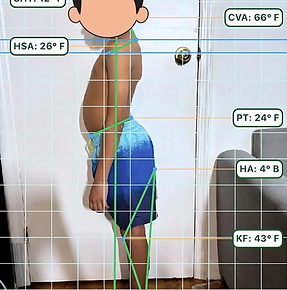
I wrote about how screen time affects posture in kids in a previous post. The short version: prolonged sitting with the head forward strains the neck, rounds the shoulders, and weakens the core. The best counter to that pattern is movement. Not structured workouts (though those help), but regular active play that gets kids on their feet, using their bodies, and having fun. Here are 15 screen time alternatives that my own kids love and that I recommend to the families I work with.
Indoor Active Play Ideas (No Equipment Needed)
Rainy days, cold weather, and small apartments are not excuses to skip movement. These ideas work in any living room.
1. Living Room Obstacle Course
Use couch cushions, pillows, blankets, and chairs to create a course that kids crawl under, climb over, and balance across. My 5-year-old sets these up herself now and adds new challenges every time. Crawling builds core and shoulder strength, and climbing develops coordination and body awareness.
2. Dance Party Freeze
Play music and dance. When the music stops, everyone freezes in whatever position they're in. Holding an awkward frozen pose works balance and core stability. My kids can do this for 20 minutes without realizing they're exercising. It's one of the simplest ways to get movement without any setup.
3. Animal Walks
Cross the room as different animals: bear walk (hands and feet, hips high), crab walk (hands and feet, belly up), frog jumps (deep squat to jump), penguin waddle (feet together, arms at sides). Each one targets different muscle groups. Bear walks are especially good for building the core strength that supports posture.
4. Balloon Volleyball
Blow up a balloon and try to keep it off the ground using only hands, feet, or heads. Set a timer and see how long the family can keep it in the air. Balloons move slowly enough for young kids to track and hit, and the reaching overhead counteracts the forward-hunched screen position.
5. Tape Line Challenge
Lay masking tape on the floor in lines, zigzags, curves, and shapes. Kids walk along the lines heel-to-toe, hop between shapes, or balance on one foot at each corner. This builds ankle stability, balance, and proprioception without any equipment beyond a roll of tape.

Outdoor Active Play Ideas for Screen-Free Time
6. Backyard Scavenger Hunt
Make a list of 10 to 15 things to find: a smooth rock, a feather, something red, a stick shaped like a letter, three different leaves. The hunting keeps kids moving continuously, and the varied terrain (grass, dirt, hills) strengthens feet and ankles better than any flat indoor surface.
7. Chalk Obstacle Course
Draw a course on the driveway or sidewalk with chalk: circles to jump in, lines to balance walk, squares to hop between, and spirals to follow. Add instructions like "spin here" or "do 3 jumping jacks." My older daughter designs these for her younger sister, which keeps both of them busy for an hour.
8. Tag Variations
Regular tag is great. But freeze tag, shadow tag (step on someone's shadow to tag them), and TV tag (yell a show name to unfreeze) all add variety. Running, stopping, changing direction, and dodging build agility and cardiovascular fitness in a way that feels like pure play.
9. Jump Rope Games
The CDC recommends at least 60 minutes of physical activity daily for children ages 6 and up, including bone-strengthening activities. Jumping rope qualifies for both. Even 5 minutes of jumping builds calf, ankle, and foot strength while getting the heart rate up. Younger kids can start with jumping over a rope laid on the ground.
10. Nature Walk Bingo
Create a simple bingo card with outdoor items: a bird, a pinecone, a puddle, a flower, a cloud shaped like an animal. Walk the neighborhood or a local trail and check off items as you spot them. The walking provides steady, low-impact movement, and the mission keeps kids engaged far longer than a purposeless walk.

Active Play Ideas That Also Build Better Posture
These five activities are my favorites because they counteract the specific damage that screen time does to the body: forward head, rounded shoulders, tight hips, and a weak core.
11. Yoga Story Time
Tell a story while moving through simple yoga poses that match the narrative. "The bear walked through the forest" (downward dog walk), "looked up at the tall tree" (upward salute), "sat by the river" (seated forward fold). This combines reading, imagination, and movement in a way that screens simply cannot replicate. I cover some of the best kid-friendly poses in my yoga for kids posture guide.
12. Pillow Fight Planks
Both players hold a plank position facing each other. Each has a pillow. The goal is to knock the other person off balance by gently tossing the pillow at them while maintaining your own plank. It sounds silly, but it builds serious core endurance. My older daughter and I play this almost every evening.
13. Wheelbarrow Walks
One person holds the walker's ankles while they walk on their hands across the room. This builds shoulder strength, wrist stability, and upper body endurance. Start with short distances (5 to 6 feet) and build up. For younger children, hold them at the thighs instead of ankles for more support.
14. Simon Says: Posture Edition
Play the classic game with posture-focused commands: "Simon says stand on one foot," "Simon says do 5 heel raises," "Simon says touch your toes," "Simon says hold a wall sit for 10 seconds." Kids follow along without thinking of it as exercise. If you need more structured routine ideas, my post on getting kids to exercise daily has a full framework.
15. Building Fort Fitness
Building a fort requires lifting, carrying, reaching, bending, and problem-solving. Kids drag cushions, hold up blankets, stretch to drape sheets over chairs, and crawl in and out of small spaces. The physical demands are surprisingly high, and the creative element keeps kids engaged long after they'd lose interest in a formal exercise session.

How to Make the Screen-to-Play Switch Stick
Replacing screen time with active play doesn't mean banning all screens. It means making movement the default, so screens become the occasional choice rather than the habit. Here's what works in our house:
Keep supplies visible. Tape, balloons, jump ropes, and chalk stay in an open bin by the back door. When they're easy to grab, kids reach for them first.
Lead with movement after school. The first 20 minutes after my kids get home from school are screen-free and movement-based. It resets their bodies after hours of sitting. I shared a full after-school framework in my morning movement routine post that adapts easily to afternoon use.
Make it social. Kids choose movement over screens when other kids are involved. Invite a neighbor, set up a playdate centered on active games, or turn after-dinner time into a family exercise session.
Rotate activities. Do the same thing every day and kids lose interest. Cycle through different activities each week. The 15 ideas above give you 3 full weeks of variety before you repeat anything.
The National Association for the Education of Young Children emphasizes that active play is not just about physical health. It builds social skills, problem-solving ability, creativity, and emotional regulation. Every minute of play does more for your child than the same minute on a screen.
You May Also Like
Test Your Knowledge: Screen Time Alternatives
See how much you picked up from this post.
1. How many hours per day does the average American child spend on screens?
a) 3 hours
b) 5 hours
c) Over 7 hours
d) 10 hours
Answer: c) Over 7 hours. This includes school devices, TV, tablets, and phones.
2. Which animal walk is especially good for core strength?
a) Penguin waddle
b) Frog jump
c) Bear walk
d) Crab walk
Answer: c) Bear walk. Walking on hands and feet with hips high builds core strength that supports good posture.
3. How many minutes of daily physical activity does the CDC recommend for kids 6 and older?
a) 20 minutes
b) 30 minutes
c) 45 minutes
d) 60 minutes
Answer: d) 60 minutes. Including bone-strengthening activities like jumping and running.
4. What makes balloon volleyball a good posture exercise?
a) It builds arm muscles
b) Reaching overhead counteracts the forward-hunched screen position
c) It improves hand-eye coordination only
d) Balloons are fun to pop
Answer: b) Reaching overhead counteracts forward-hunched posture. The upward reaching extends the spine and opens the chest, reversing screen-time slumping.
5. What is the best strategy for reducing screen time at home?
a) Ban all screens immediately
b) Make movement the default so screens become the occasional choice
c) Only allow screens on weekends
d) Replace screens with books only
Answer: b) Make movement the default. Keep active play supplies visible and lead with movement after school to build the habit naturally.
More Movement, Better Posture
Active play is the foundation, but structured exercises take posture correction further. My Posture and Feet course gives your child a step-by-step, video-guided program designed to pair with the kind of active play described here.
The kids who move the most are the ones who feel the best, and it starts with making play the easier choice.




Comments