Fun Holiday Movement Games to Keep Kids Active Over Winter Break
- Juliana Lucky

- Dec 25, 2025
- 8 min read
Winter break is one of the best times of year for families. School is out, routines are relaxed, and the holiday spirit fills the house. But after a few days of movie marathons and tablet time, most kids start to get restless, and their bodies start to stiffen up. Without school PE, recess, or their usual activities, kids can spend hours sitting in one position, often hunched over a screen or curled up on the couch.
I see this pattern every January in my practice. Kids come back from winter break with tighter hip flexors, rounded shoulders, and more complaints about their backs. The good news is that keeping kids active during winter break does not have to feel like a chore. In fact, it can be one of the most fun parts of the holidays. In this post, I am sharing festive movement games that my own family uses, and that you can try with yours, no matter how old your children are.
Why Kids Need to Move During Winter Break
The American Academy of Pediatrics recommends that children get at least 60 minutes of moderate to vigorous physical activity every day. During school, a lot of that happens naturally through PE, recess, and walking between classes. Over winter break, those built-in movement windows disappear.
According to the Centers for Disease Control and Prevention, only about 24% of children ages 6 to 17 meet the daily physical activity recommendation. That number tends to drop even further during school breaks when daily structure fades. The result is not just low energy. Extended sitting can affect posture, especially in growing bodies. When kids sit for hours with rounded backs and forward-leaning heads, their muscles start to adapt to that position.
This does not mean you need to turn your living room into a gym. A few short bursts of movement spread throughout the day can make a real difference. Even 10 to 15 minutes of active play, done two or three times a day, adds up quickly.

Christmas Movement Games for Kids of All Ages
These holiday-themed games work for kids as young as 3 and as old as 13. I have organized them by energy level so you can pick the right one for the moment, whether it is after breakfast energy or winding-down time before bed.
High-Energy Games
Reindeer Gallop Relay
Set up a short obstacle course in your living room or hallway using pillows, shoes, or stuffed animals. Kids gallop like reindeer from one end to the other, weaving around obstacles. Time each run and let them try to beat their own record. This gets the heart rate up, strengthens legs, and works on coordination. My 5-year-old loves this one, and my 9-year-old turns it into a full competition.
Snowball Squat Toss
Roll up pairs of socks into "snowballs." Place a laundry basket or box about 6 feet away. Kids do a squat, then stand and toss a snowball into the basket. Each successful toss earns a point. Squats strengthen the glutes and thighs, which directly support better posture. For younger kids (ages 3 to 5), move the basket closer. For older kids and teenagers, move it farther back or have them toss with their non-dominant hand.
Jingle Bell Freeze Dance
Play holiday music and let everyone dance freely. When the music stops, everyone freezes in place. Anyone who wobbles is "out" for that round (or does three jumping jacks to get back in). Freeze dance builds body awareness and balance, two things that directly support good posture. This game works for every age group, and parents should absolutely join in.

Medium-Energy Games
Gingerbread Man Stretch Sequence
Stand up tall like a gingerbread man with arms and legs spread wide. Then move through a series of stretches: reach the right hand to the left foot (the "icing drizzle"), hold for five seconds, then switch sides. Touch toes (the "gingerbread fold"), reach arms overhead (the "sugar stretch"), and finish with a gentle twist to each side. Hold each stretch for five to eight seconds. This sequence opens up the chest, lengthens the hip flexors, and counters the rounded posture that comes from sitting.
Holiday Scavenger Hunt
Create a list of holiday items to find around the house (a red ornament, something that sparkles, a candy cane, a wrapped gift). The catch: kids must move in a specific way to get to each item. Crab walk to the ornament. Bear crawl to the sparkly thing. Hop on one foot to the candy cane. Lunge walk to the gift. This keeps them moving in different planes of motion, which is much better for their bodies than just running in a straight line.
Twelve Days of Fitness
This one is perfect for the countdown to Christmas or for the twelve days after. Write twelve exercises on slips of paper (one squat, two calf raises, three toe touches, four jumping jacks, five lunges, and so on). Each day, pull a new slip and add it to the routine. By day twelve, kids are doing a full-body circuit. I do a version of this with my kids every December, and they love checking off each day.
Low-Energy and Wind-Down Games
Snowflake Yoga
Lay out mats or towels and guide kids through a series of gentle poses themed around winter. Tree pose becomes a "pine tree covered in snow." Child's pose becomes a "snowball." Warrior II becomes a "figure skater." Cat-cow stretches become "reindeer warming up." Hold each pose for 15 to 30 seconds. This is perfect before bed or during a quiet afternoon. It stretches the spine, opens the chest, and calms the nervous system. Even teenagers benefit from this, though they might need a little encouragement to try it.
Christmas Card Charades
Write holiday-themed actions on index cards: building a snowman, decorating a tree, ice skating, sledding, wrapping a present, making snow angels. Kids pick a card and act it out while others guess. The big movements involved in acting out these scenes stretch and strengthen without it feeling like exercise at all.
Keeping Kids Active During Winter Break: A Sample Daily Plan
Structure helps, even during vacation. Here is a simple plan that spreads movement throughout the day without making it feel rigid.
Morning (10 to 15 minutes): Start with a high-energy game like Reindeer Gallop Relay or Jingle Bell Freeze Dance. Morning movement gets the blood flowing and sets a positive tone for the day. If your family already has a morning movement routine, add a holiday twist to it.
Midday (10 to 15 minutes): After lunch, do a medium-energy activity like the Holiday Scavenger Hunt or Twelve Days of Fitness. This is a natural time to break up screen time or indoor play.
Evening (5 to 10 minutes): Wind down with Snowflake Yoga or the Gingerbread Man Stretch Sequence. Gentle stretching before bed helps kids sleep better and releases tension that builds up from a day of sitting or playing.
This adds up to about 30 to 40 minutes of movement spread across the day. It does not all have to happen at once, and it does not need to be perfect. Some days you will do all three blocks. Other days, you will squeeze in one quick game between holiday errands. Both count.

How Winter Break Habits Affect Posture
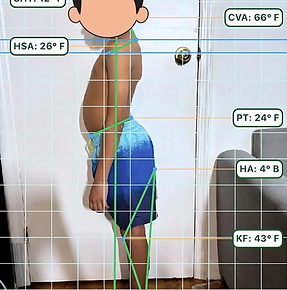
Extended time off from school often means more hours on the couch, more time looking down at tablets, and less overall movement. Over two or three weeks, these habits can lead to noticeable changes. Kids may start rounding their shoulders forward, tucking their chins down, or shifting their weight to one side when they stand.
In my experience working with families, the kids who stay active during breaks tend to come back to school with better posture than those who spend most of the holiday sitting. Movement does not have to be intense to make a difference. Short, playful activity sessions keep the muscles engaged that hold the spine upright, especially the muscles along the upper back, the core, and the glutes.
If you notice your child slouching more toward the end of winter break, gentle stretching and a few minutes of daily movement can help reverse that trend quickly. For more specific exercises that target rounded shoulders and forward head posture, my post on posture exercises kids can do at home walks you through a simple routine.
Making Movement a Family Holiday Tradition
One of the things I love most about these games is that they work for the whole family. Parents, grandparents, and kids of all ages can participate. In our house, we treat movement games like any other holiday tradition, right alongside decorating the tree and baking cookies.
Here are a few tips to make it stick:
Put movement time on the daily schedule, just like meals or movie night. When kids see it as part of the holiday routine, they are more likely to join without resistance.
Let kids pick the game. Giving them a choice makes it feel like play, not a workout.
Keep it short. Three 10-minute sessions beat one 30-minute session that nobody wants to finish.
Play holiday music in the background. It changes the whole mood and makes even simple stretches feel festive.
Invite visiting family members to join. Grandparents can do the stretching activities, and cousins can compete in relay races.
If your family enjoys exercising together, you might also like my guide to building a family exercise routine at home, which includes ideas that work year-round.
You May Also Like
Looking for more ways to keep your kids moving and healthy? These related posts have practical ideas you can start using today:
A 10-Minute Morning Movement Routine Your Kids Will Love: a quick daily routine that pairs perfectly with these holiday games
How to Get Your Kids to Exercise Every Day (Without a Fight): strategies for making daily movement a habit your kids actually enjoy
A 20-Minute Family Exercise Routine Everyone Can Do at Home: a complete family workout you can do together during winter break or any time of year
Test Your Knowledge: Holiday Movement for Kids
1. How many minutes of daily physical activity does the American Academy of Pediatrics recommend for children?
A) 30 minutes
B) 45 minutes
C) 60 minutes
D) 90 minutes
Answer: C) 60 minutes
2. Which holiday game uses rolled-up socks and a laundry basket?
A) Reindeer Gallop Relay
B) Snowball Squat Toss
C) Jingle Bell Freeze Dance
D) Christmas Card Charades
Answer: B) Snowball Squat Toss
3. What percentage of children ages 6 to 17 currently meet the daily physical activity recommendation, according to the CDC?
A) 50%
B) 42%
C) 36%
D) 24%
Answer: D) 24%
4. Which muscles are most important for holding the spine upright?
A) Biceps, triceps, and forearms
B) Upper back, core, and glutes
C) Calves, ankles, and shins
D) Neck, jaw, and scalp muscles
Answer: B) Upper back, core, and glutes
5. How many short movement sessions per day does the sample daily plan suggest?
A) One
B) Two
C) Three
D) Four
Answer: C) Three
More Movement, Better Posture Through the Holidays and Beyond
These holiday games are a wonderful starting point, but building lasting movement habits takes a structured approach. If you want a step-by-step program that strengthens your child's posture and keeps them active all year, my Posture and Feet course gives you video-guided routines designed specifically for growing bodies. It is the natural next step after trying these holiday activities with your family.




Comments