Toe Walking in Children: When It's Normal and When to Act
- Juliana Lucky

- Jan 15
- 8 min read
Many toddlers go through a phase of bouncing around on their toes like tiny ballet dancers. It looks adorable, and most of the time, it's completely normal. But when toe walking in children continues past a certain age, or when it happens alongside other signs, parents start to wonder whether something more is going on. In my 15+ years as a posture and movement specialist, I've worked with hundreds of families navigating this exact question. This post covers what causes toe walking in children, when it's part of normal development, and what you can do if it persists.
What Is Toe Walking and Why Do Kids Do It?
Toe walking is exactly what it sounds like: a child walks on the balls of their feet or on their toes instead of placing the heel down first. In toddlers who are just learning to walk, this is very common. Their nervous systems are still figuring out coordination, balance, and muscle control.
Most children begin walking between 12 and 15 months. During those early months of walking, many toddlers walk on their toes simply because they are experimenting with balance. According to the American Academy of Pediatrics' guidelines on walking milestones, a toddler walking on toes is considered a normal variation in gait development up to about age 2 to 3.
There are several reasons a toddler might walk on their toes:
They are still developing the muscle strength and coordination for a heel-to-toe gait pattern
They enjoy the sensory feedback of walking on their toes
They are imitating something they've seen, like a dancer or an older sibling on tiptoes
The surface feels cold, wet, or unfamiliar, and they are lifting their heels instinctively
In most of these cases, toe walking fades naturally as the child's walking pattern matures. By age 3, the majority of children have transitioned to a typical heel-to-toe gait.
When Toe Walking in Children Is Cause for Concern
The timing matters most. If your child is under 3 and still toe walks occasionally, there's usually nothing to worry about. Most pediatricians won't flag it at this age unless other developmental signs accompany it.
After age 3, persistent toe walking deserves a closer look. "Persistent" means the child toe walks most or all of the time, even when walking slowly or standing still. The National Institutes of Health reports that idiopathic toe walking (toe walking with no underlying medical cause) affects roughly 5 to 12 percent of healthy children and often resolves by age 5. When to worry about toe walking really depends on the age and the presence of other signs.
Here are specific signs that suggest a conversation with your pediatrician is a good idea:
Your child toe walks on both feet consistently after age 3
They seem unable to put their heels flat on the ground, even when asked
Their calf muscles feel noticeably tight when you gently push their foot toward a flat position
Toe walking appeared suddenly after a period of walking with a normal gait
Your child also shows delays in speech, motor skills, or social interaction
Walking on toes is accompanied by frequent tripping or difficulty with balance
If any of these apply, a pediatric evaluation can help rule out conditions like cerebral palsy, muscular dystrophy, or autism spectrum disorder, all of which can include toe walking as one of several signs. The important thing to understand is that toe walking in children alone is rarely a red flag. It becomes more significant when paired with other developmental differences.

Common Toe Walking Causes in Kids
When families come to me with concerns about toe walking in children, I always start by explaining that there is a wide range of possible causes. Some are completely benign, and others call for professional support.
Idiopathic Toe Walking
This is the most common diagnosis. "Idiopathic" simply means "no known cause." The child is otherwise developing normally, has no tight tendons, and simply prefers to walk on their toes. Many children with idiopathic toe walking grow out of it between ages 3 and 5 without any intervention at all.
Tight Achilles Tendon or Calf Muscles
Some children develop a shortened Achilles tendon from habitual toe walking. When the tendon tightens, it makes it harder for the child to bring the heel down, creating a cycle of toe walking that reinforces itself. This is one of the reasons early attention can help. Gentle stretching can prevent the tendon from shortening further.
Sensory Processing Preferences
Children who are sensitive to certain textures or sensations underfoot sometimes prefer to minimize contact by walking on their toes. This is especially common on unfamiliar surfaces, grass, sand, or cold floors. If your child also dislikes certain clothing textures, tags in shirts, or messy play, sensory processing differences could be a factor worth discussing with your pediatrician.
Neurological or Developmental Conditions
In a smaller percentage of cases, toe walking can be connected to conditions like cerebral palsy, muscular dystrophy, or autism spectrum disorder. These conditions typically present with additional signs beyond just toe walking. A pediatric neurologist or developmental pediatrician can provide a thorough evaluation if your child's doctor recommends further testing. The Cleveland Clinic's guide on toe walking outlines the medical evaluation process clearly.
Simple Exercises to Help a Child Who Toe Walks
If your child is a persistent toe walker and their pediatrician has ruled out underlying conditions, there are exercises you can practice at home. These activities help stretch tight calf muscles, build ankle flexibility, and train the brain to accept a heel-first gait pattern. Toe walking causes kids to develop tightness in specific muscle groups, and these exercises target those areas directly.
Calf Stretches Against the Wall
Have your child stand facing a wall with their hands flat against it. One foot steps back, keeping the heel pressed into the floor. They lean gently forward until they feel a stretch in the back calf. Hold for 15 to 20 seconds on each side. Do this twice a day. Children as young as 4 can do this with a parent's help.
Heel Walking Practice
This is the opposite of toe walking, and kids usually find it funny. Ask your child to walk across the room on their heels only, with their toes lifted off the ground. Start with short distances and build up. This strengthens the muscles on the front of the shin and trains the heel-first landing pattern.
Squatting Games
Squatting with flat feet on the floor is a great way to stretch the calves and Achilles tendons. Turn it into a game by placing small toys on the floor and asking your child to squat down (heels on the ground) to pick them up. If they can't keep their heels down at first, that's normal. They'll improve with regular practice.
Uphill Walking
Walking uphill naturally pushes the heel down and stretches the calf. If you have access to a gentle slope (a yard, a park path, or a ramp), make it part of your daily walk. Even a few minutes of uphill walking each day can make a noticeable difference over several weeks.
Barefoot Time on Varied Surfaces
Walking barefoot on grass, sand, gravel paths, and textured mats gives the feet sensory input and encourages natural heel-to-toe movement. I recommend at least 20 to 30 minutes of barefoot time daily for children of all ages. Both my kids spend most of their time barefoot at home, and it's one of the simplest things you can do for healthy foot development. If your child also shows signs of flat feet, my guide on how to tell if your child has flat feet covers what to look for.

What to Expect from a Pediatric Evaluation
If you do bring your child in for an evaluation of toe walking in children, here's what typically happens. Your pediatrician will observe your child walking and may ask them to walk on their heels, squat, or stand with feet flat. They'll check the range of motion in the ankle and feel the calf muscles for tightness.
In some cases, your doctor may refer you to a pediatric orthopedist or a physical therapist. Common next steps can include:
Observation over time (especially if the child is under 5 and otherwise developing well)
Physical therapy focusing on stretching and gait training
Serial casting, where short leg casts are applied for several weeks to gradually stretch the Achilles tendon
In rare and severe cases, surgical lengthening of the Achilles tendon
Most children respond well to stretching and physical therapy alone. Serial casting is typically reserved for cases where the tendon is significantly shortened and stretching hasn't been enough. Surgery is uncommon.
The key takeaway is that early evaluation gives you a clear picture. You don't need to wait until the problem becomes harder to address. If your child's posture or movement patterns concern you, understanding the full picture early is always better. I cover posture and alignment in more detail in my Posture and Feet course, which walks families through structured movement routines for better alignment.
Toe Walking and Posture: The Bigger Picture
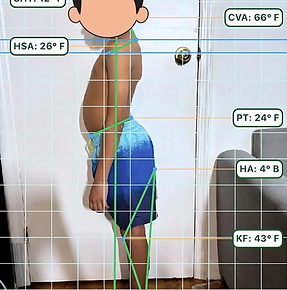
Toe walking in children doesn't happen in isolation. Children who consistently walk on their toes often develop compensations throughout their body. Their knees may hyperextend, their hips tilt forward, and their lower back can arch more than usual. Over time, these compensations can affect overall posture and balance.
This is one reason I encourage parents to look at the whole body, not just the feet. If your child toe walks and also slouches, sits in a W position, or has trouble with balance activities, those patterns may be connected. My post on signs of poor posture in children covers the broader picture of what to watch for.
In my experience, addressing toe walking early (with stretching, barefoot play, and mindful movement) often improves not just the gait but the child's overall alignment and confidence in physical activities.
You May Also Like
If toe walking is one of several movement patterns you've noticed in your child, these related posts may help:
Children's Foot Development by Age: What's Normal and When to Act (covers the stages of arch and foot development from toddler to preteen)
Is W-Sitting Bad for Toddlers? What Parents Should Know (explores another common movement pattern and when it matters)
How to Strengthen Your Child's Feet with Simple Daily Exercises (practical foot-strengthening activities for kids of all ages)
Test Your Knowledge: Toe Walking in Children
Q1: At what age does toe walking typically become a concern if it persists?
A) 12 months B) 18 months C) 3 years D) 6 years
Answer: C) 3 years. Toe walking before age 3 is considered a normal part of gait development.
Q2: What does "idiopathic toe walking" mean?
A) Toe walking caused by cerebral palsy B) Toe walking with no identified underlying cause C) Toe walking that only happens on one foot D) Toe walking caused by tight shoes
Answer: B) Toe walking with no identified underlying cause. It's the most common type and often resolves on its own.
Q3: Which exercise helps stretch tight calf muscles in children who toe walk?
A) Jumping jacks B) Calf stretches against a wall C) Arm circles D) Sit-ups
Answer: B) Calf stretches against a wall. This stretch targets the calf and Achilles tendon directly.
Q4: What body compensations can develop from persistent toe walking?
A) Stronger arm muscles B) Hyperextended knees and increased lower back arching C) Wider feet D) Taller stature
Answer: B) Hyperextended knees and increased lower back arching. The body compensates throughout the chain when the heel doesn't contact the ground.
Q5: How much barefoot time per day is recommended for healthy foot development?
A) 5 minutes B) 10 minutes C) 20 to 30 minutes D) 2 hours
Answer: C) 20 to 30 minutes. Regular barefoot time on varied surfaces encourages natural heel-to-toe walking.
Get a Personal Assessment for Your Child
If your child's toe walking has persisted and you want expert guidance tailored to their specific situation, my personal diagnostic service can help. I review your child's gait, posture, and movement patterns on video and provide a detailed, individualized report with exercises and next steps.
Addressing toe walking early gives your child the best chance of developing a strong, balanced gait that supports them for years to come.




Comments