December 31, 2025
How to Choose the Right Shoes for Your Child's Feet
A posture specialist's guide to picking shoes that support healthy foot development in children ages 1 to 12, with a simple shopping checklist you can use today.
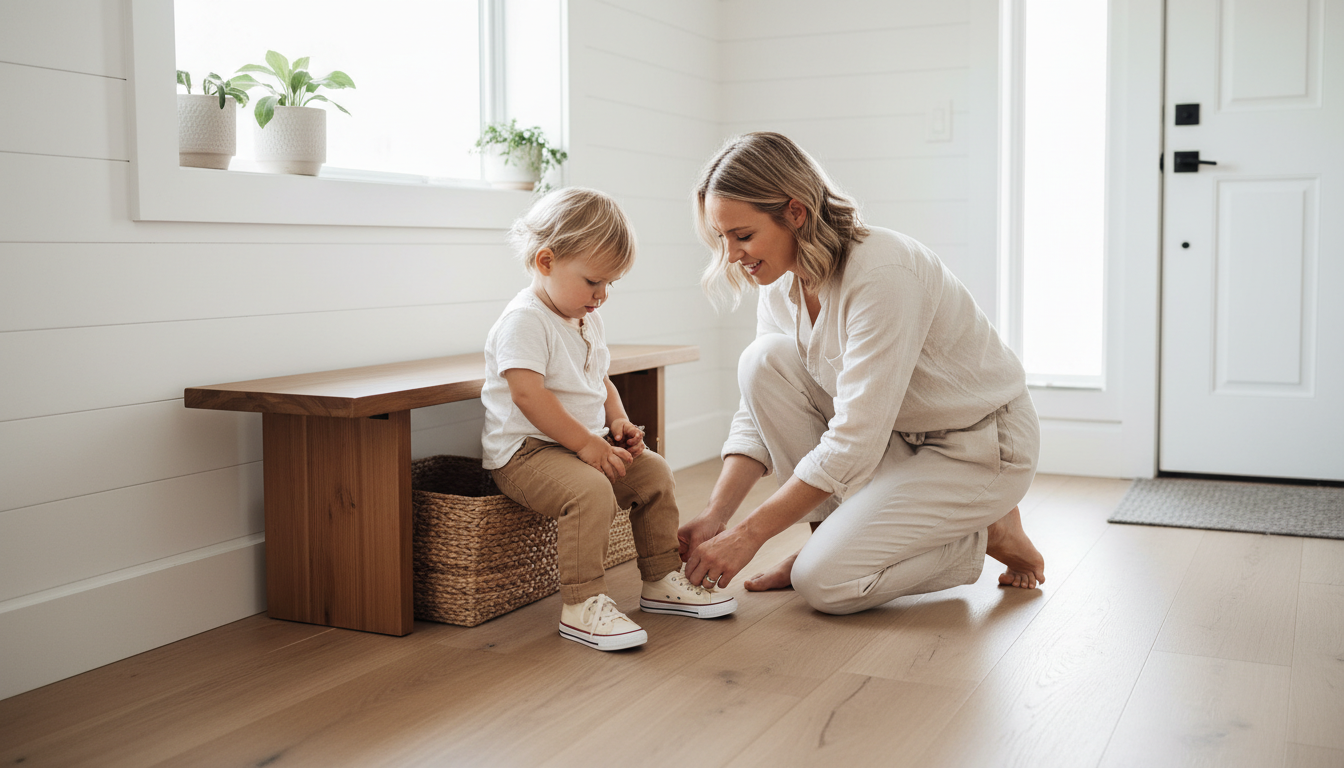
Walking through the children's shoe aisle can feel overwhelming. Rows of bright colors, flashing lights, and cartoon characters compete for your attention, but none of those features tell you whether a shoe actually supports your child's growing feet. After working with hundreds of families as a posture correction specialist, I've seen firsthand how the wrong footwear can contribute to foot pain, poor alignment, and delayed arch development. The best shoes for children's foot development aren't always the most expensive or the most popular. They're the ones that let small feet move, flex, and grow the way nature intended.
In this post, I'll walk you through exactly what to look for (and what to avoid) when shopping for kids' shoes at every stage of growth.
Why Shoes Matter More Than Parents Realize
Most children between the ages of 2 and 12 are still developing the muscles, ligaments, and bone structures in their feet. Unlike adult feet, which have fully formed arches and stable joints, children's feet are soft and adaptable. That adaptability is a strength, but it also means that the wrong shoe can reshape a growing foot over time.
Stiff, narrow, or overly cushioned shoes limit the foot's natural movement. When small toes can't spread and grip the ground, the intrinsic muscles of the foot weaken. I see this pattern regularly in my practice: children who wear rigid shoes often show flattened arches, toe crowding, and compensatory movement patterns at the knee and hip. Research published by the American Academy of Pediatrics confirms that children who spend more time barefoot or in flexible footwear tend to develop stronger, more resilient feet.
This doesn't mean all shoes are bad. It means the type of shoe matters far more than the brand name on the box.
What Makes a Good Shoe for Children's Foot Development
If you're wondering how to choose kids shoes that actually help rather than hinder, focus on five key features.
Flexible soles. A good children's shoe should bend easily at the ball of the foot. Pick up the shoe and try to fold it in half. If it barely moves, it's too stiff for a developing foot. Flexible soles allow the foot to move through its full range of motion with each step, which strengthens muscles and supports natural arch formation.
Wide toe boxes. Children's toes need room to spread. A wide, rounded toe box lets all five toes splay naturally during walking and running. Narrow, pointed shoes push toes together and can lead to issues like bunions even in young children. Hold the shoe up and compare it to your child's foot. The shoe should be at least as wide as their foot at the widest point.
Lightweight materials. Heavy shoes force a child to work harder with every step. Look for lightweight, breathable materials that don't weigh the foot down. Canvas, soft leather, and mesh are generally good choices.
Minimal heel elevation. The heel of a children's shoe should sit very close to the ground. A raised heel shifts the child's weight forward and changes their posture from the ground up. Flat or zero-drop shoes keep the foot in a more natural position and allow the ankle to develop strength.
Secure fit without being tight. Shoes should stay on the foot without squeezing. Velcro straps, adjustable laces, or elastic closures all work well. The shoe should not slip at the heel, and there should be about a thumb's width of space between the longest toe and the front of the shoe.
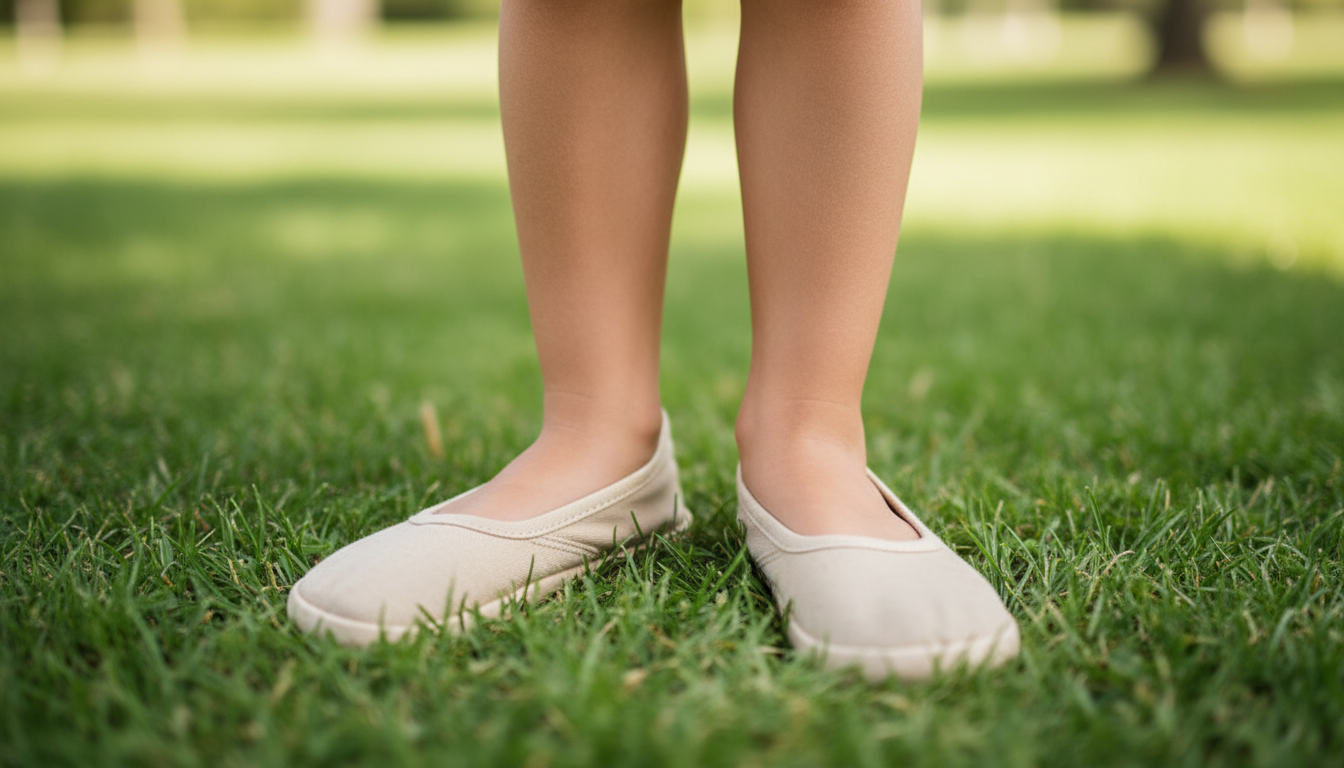
Common Shoe Mistakes That Affect Foot Health
Even well-meaning parents can make shoe choices that work against their child's foot development. Here are the most common mistakes I see.
Buying shoes that are too small. Children's feet grow fast, especially between ages 2 and 6. A child can outgrow shoes in as little as 2 to 3 months. Shoes that are too tight compress the toes and restrict natural movement. Measure your child's feet every 6 to 8 weeks and check for red marks or complaints of pinching.
Choosing style over function. Character shoes and trendy designs often have the stiffest soles and narrowest toe boxes. The flashiest shoe in the store is rarely the best one for a growing foot. I always recommend checking the flexibility and width of any shoe before looking at the design.
Relying on hand-me-down shoes. Used shoes have already molded to another child's foot shape. Wearing someone else's worn-in shoe can force your child's foot into an unnatural position. If you do pass shoes down, only use pairs that still have even sole wear and haven't lost their shape.
Over-supporting too early. Many parents assume their child needs arch support or motion control shoes. For most children under age 6, the arches are still forming. Overly supportive shoes can actually prevent the foot muscles from doing their job. Unless a pediatric specialist has recommended specific support, a flexible minimal shoe is usually the better choice.
How to Choose Kids Shoes by Age Group
The best shoes for children's foot development change as kids grow. Here's what I recommend at each stage.
Toddlers (Ages 1 to 3)
At this age, barefoot time is the gold standard. When shoes are necessary for protection outdoors, choose soft-soled shoes that mimic barefoot walking. The sole should be thin enough that your child can feel the ground beneath them. Avoid shoes with rigid ankle support, which limits natural ankle mobility during these early walking years.
Preschoolers (Ages 3 to 6)
Children in this range are running, jumping, and climbing constantly. They need flexible shoes with good grip that can handle playground surfaces. Look for non-slip soles that are still thin and bendable. This is the age when arches typically start to form, and flexible shoes give those developing muscles the best chance to strengthen naturally.
School-Age Children (Ages 6 to 12)
By this age, foot structure is more developed, but growth is still happening. Children who are active in sports may need activity-specific shoes, but their everyday shoes should still prioritize flexibility and a wide toe box. This is also the age when peer pressure around shoe brands starts. I encourage parents to find shoes that are both functional and acceptable to their child. Many minimalist shoe brands now offer designs that look just as modern as conventional shoes.
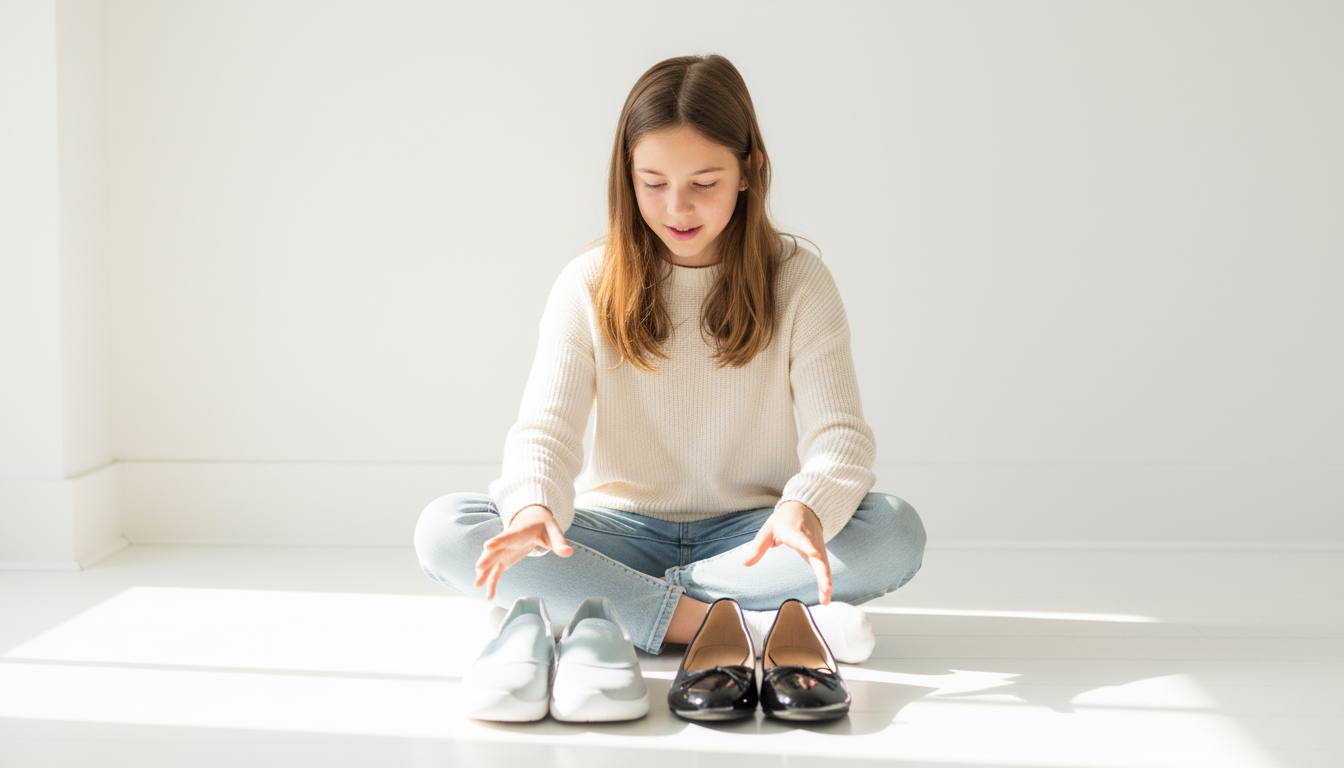
Signs a Shoe Is Not Right for Your Child
Even with the right guidelines, every child's foot is unique. Watch for these signs that a shoe might not be working.
- Your child complains of foot, ankle, or knee pain after wearing certain shoes
- You notice red marks, blisters, or calluses on their feet
- Your child avoids running or active play when wearing specific shoes
- The shoe sole shows uneven wear patterns, heavier on one side
- Your child frequently trips or seems unsteady in their shoes
If you spot any of these signs, it's worth switching to a different shoe and observing whether the issue resolves. Persistent pain or alignment concerns warrant a closer look from a specialist. I offer a personal diagnostic assessment where I can evaluate your child's gait, foot alignment, and movement patterns to give you specific recommendations.
The Case for Barefoot and Minimalist Shoes for Kids
I wrote a full guide on barefoot shoes for children with flat feet, and the principles apply to all kids. Barefoot-style shoes, sometimes called minimalist shoes, are designed to let the foot function as naturally as possible while still providing basic protection.
These shoes typically feature zero heel drop, meaning the heel and forefoot sit at the same height. They have thin, flexible soles that allow ground feel. Their toe boxes are wide enough for full toe splay. They're lightweight with no rigid support structures.
Research from institutions like the German Sport University Cologne has found that children who regularly wear minimalist footwear develop stronger foot muscles and better balance compared to those in conventional shoes. A 2020 study published in Frontiers in Pediatrics also showed that habitually barefoot children had wider, more fan-shaped feet and stronger arches than their shoe-wearing peers.
You don't need to switch every shoe your child owns to a barefoot style overnight. Starting with one pair for everyday wear or outdoor play is a great first step.
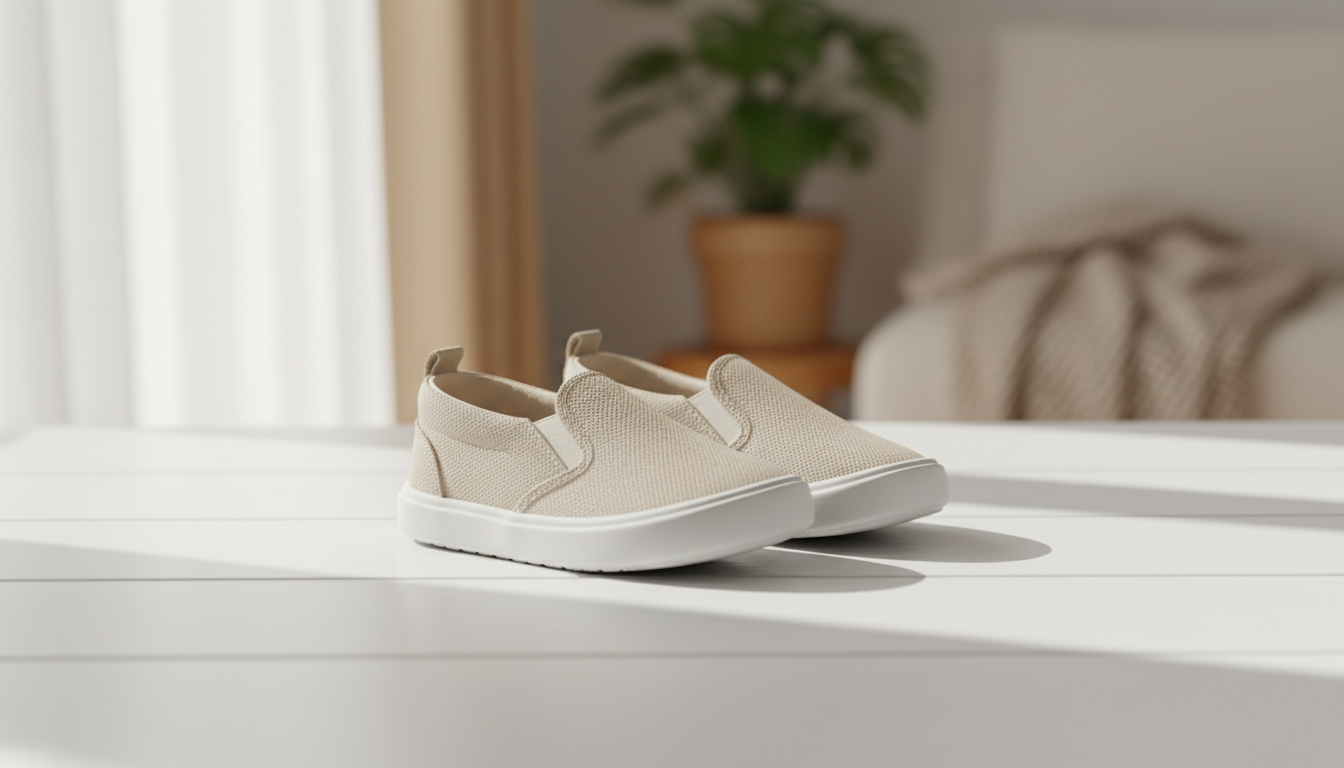
A Quick Shoe Shopping Checklist for Parents
Before your next trip to the shoe store, use this checklist.
- Bend the shoe in half. If it doesn't flex easily at the ball, skip it.
- Check the toe box width. It should match or exceed your child's foot width.
- Press on the heel counter. Slight structure is fine, but it shouldn't be rock-hard.
- Weigh it in your hand. Lighter is almost always better for growing feet.
- Check the heel height. Flat or near-flat is ideal.
- Have your child walk around for several minutes before deciding.
- Look at the inside for raised seams or rough spots that could cause irritation.
This simple check takes less than a minute and can save you from buying shoes that work against your child's foot health.
You May Also Like
If you found this children's shoe guide for foot health helpful, these related posts cover connected topics.
- My guide on barefoot shoes for kids with flat feet goes deeper into minimalist footwear options and what to look for in specific brands.
- For parents who want to understand their child's foot growth timeline, my post on children's foot development by age explains what's normal at each stage.
- If your child already shows signs of flat arches, my flat feet exercises for kids offers simple daily moves that build foot strength.
Quiz: Test Your Knowledge of Children's Shoe Fit
Question 1: What is the most important feature to check in a children's shoe?
A) The brand name B) The sole flexibility C) The color options D) The price point
Answer: B. A flexible sole allows the foot to move naturally and build strength.
Question 2: How much space should be between a child's longest toe and the front of the shoe?
A) No space at all B) About half an inch C) About a thumb's width D) Two inches
Answer: C. A thumb's width provides enough growing room without letting the foot slide.
Question 3: Why should children's everyday shoes have minimal heel elevation?
A) It makes shoes cheaper B) It keeps the foot in a natural position and supports ankle strength C) It makes the shoes lighter D) It helps shoes last longer
Answer: B. Flat or zero-drop shoes encourage natural posture from the ground up.
Question 4: At what age do children's foot arches typically start to form?
A) At birth B) Ages 1 to 2 C) Ages 3 to 6 D) Ages 10 to 12
Answer: C. Most children's arches begin developing between ages 3 and 6, which is why overly supportive shoes before this age can interfere with natural development.
Question 5: Which of the following is a sign that a shoe may not be right for your child?
A) The shoe looks trendy B) Your child complains of foot pain after wearing them C) The shoe is a popular brand D) The shoe is lightweight
Answer: B. Pain, blisters, and avoidance of activity are all signs the shoe isn't working for your child's foot.
Your Complete Footwear Reference
If you want a full breakdown of shoe recommendations, what to look for by age, and how shoes connect to posture correction, my Ultimate Footwear Guide covers it all in one place. I created it to be the single resource parents can return to whenever shoe shopping questions come up. For families working on broader posture or foot alignment goals, my Posture and Feet course walks you through a structured daily exercise program that pairs perfectly with the right footwear choices.