Barefoot Shoes for Kids with Flat Feet: What a Posture Specialist Recommends
- Juliana Lucky

- Sep 2, 2025
- 7 min read
Many parents ask me about barefoot shoes for kids with flat feet, and I understand why. When you notice your child's arches are low or their ankles roll inward, every shoe choice starts to feel like a big decision. In my 15+ years as a posture specialist working with children, I've seen how the right footwear can support healthy foot development without relying on rigid orthotics or bulky sneakers.
In this post, I'll explain why barefoot shoes for kids with flat feet are worth considering, what features actually matter, and what to skip. I'll also share the signs that tell you whether your child's flat feet need attention at all.
Why Kids Have Flat Feet (and When It's Normal)
Flat feet in young children are incredibly common. Most babies and toddlers have little to no visible arch because the foot's bone structure is still forming. A fat pad under the arch also fills in the space, making feet look flatter than they really are.
According to Nemours KidsHealth, arches typically develop between ages 3 and 6. For some children, the process takes longer. Flexible flat feet, where the arch appears when a child stands on tiptoes but disappears when standing flat, are usually not a concern on their own.
Rigid flat feet or flat feet paired with pain, frequent tripping, or fatigue during walking are different. Those patterns are worth looking into with a specialist. If your child shows signs of alignment issues alongside flat feet, my post on 6 critical reasons to address posture and alignment issues early explains why early support matters.

Are Barefoot Shoes Good for Flat Feet in Children?
This is the question I hear most often from parents. The short answer: yes, in most cases, barefoot shoes are a solid choice for children with flexible flat feet. The reason comes down to how feet grow stronger.
Traditional shoes with thick soles, stiff arch supports, and raised heels do most of the work for your child's foot. The muscles, tendons, and ligaments that are supposed to develop and strengthen don't get the stimulus they need. It's a bit like putting a healthy arm in a cast. Over time, the muscles weaken instead of building up.
Barefoot shoes children wear allow feet to move, flex, grip, and respond to the ground naturally. Research published in Frontiers in Pediatrics found that children who habitually go barefoot or wear minimal footwear tend to develop stronger foot muscles and more defined arches compared to those in conventional shoes.
I've seen this play out with the families in my practice. Children who switch to minimalist shoes and pair that with targeted foot exercises often show visible improvements in arch engagement within a few months. Barefoot shoes for kids with flat feet create the right conditions for the foot's own muscles to do their job.
What to Look for in Barefoot Shoes for Kids with Flat Feet
Not all shoes labeled "barefoot" or "minimalist" are actually good options. Some are just thin-soled versions of poorly designed shoes. Here's what I look for when recommending minimalist shoes kids can wear daily.
Wide Toe Box
Children's toes should be able to spread and grip the ground. A wide toe box gives them space to do that. Narrow shoes compress the toes together, limiting the natural splay that helps with balance and arch activation. If the shoe tapers at the front, it's too narrow.
Flexible Sole
You should be able to bend the shoe easily in your hands and twist it gently. A rigid sole prevents the foot from moving through its full range of motion. The foot has 26 bones and over 30 joints. Those structures need to move for healthy development.
Zero Drop (Flat from Heel to Toe)
Many kids' shoes have a raised heel, even if it's subtle. This tilts the body forward and shifts weight distribution. A zero-drop sole keeps the foot flat, which promotes better alignment from the ankle up through the knees, hips, and spine. For children with flat feet, this alignment matters more than most parents realize.
Thin, Flat Insole
Avoid shoes with built-in arch supports unless a podiatrist has specifically prescribed them. For most children with flexible flat feet, a flat insole lets the foot's own muscles practice forming the arch. Arch supports can actually weaken those muscles over time by doing the work for them.
Lightweight Construction
Heavy shoes tire small feet out faster and change how kids walk. A lighter shoe lets the foot move more naturally and doesn't add unnecessary resistance to each step.

What to Avoid When Shopping for Kids' Minimalist Shoes
Knowing what to skip is just as helpful as knowing what to buy. These are the features I tell parents to watch out for.
Stiff arch supports in everyday shoes: Unless prescribed, these limit the foot's own muscle development. They can create dependency rather than strength.
Thick, cushioned soles: Excessive cushioning blocks the sensory feedback that helps feet learn to respond to surfaces. Thin soles with ground feel are better for growing feet.
Raised heels: Even a small heel lift changes posture. It shifts the pelvis forward and can worsen alignment issues in children who already have flat feet or knock knees.
Narrow or pointed toe shapes: If the shoe is narrower than your child's foot when standing, it's compressing their toes. This affects balance and limits arch activation.
Heavy materials or rigid ankle cuffs: These restrict ankle mobility, which is something children with flat feet specifically need to develop.
I cover all of these details and more in my complete footwear guide, which walks you through the shoe selection process step by step.
Barefoot Shoes Alone Won't Fix Flat Feet
I want to be straightforward about this. Shoes are an environment. They create conditions that either help or hinder foot development. But switching to barefoot shoes without any other changes is like buying running shoes without actually running.
The children who make the most progress in my practice combine minimalist footwear with targeted foot and ankle exercises. Simple activities like picking up marbles with toes, scrunching a towel under the foot, single-leg balance holds, and heel raises all build the muscles that support arch development.
If you're looking for specific exercises to pair with barefoot shoes, I put together a full guide on flat feet exercises kids actually enjoy doing. Those exercises work well alongside the footwear changes I'm describing here.
Barefoot time at home also helps. Walking on grass, sand, or textured surfaces gives feet the varied input they need to strengthen. The American Academy of Pediatrics notes that most children with flexible flat feet don't need treatment, but strengthening activities and appropriate footwear can support natural development.

How to Transition Your Child to Barefoot Shoes
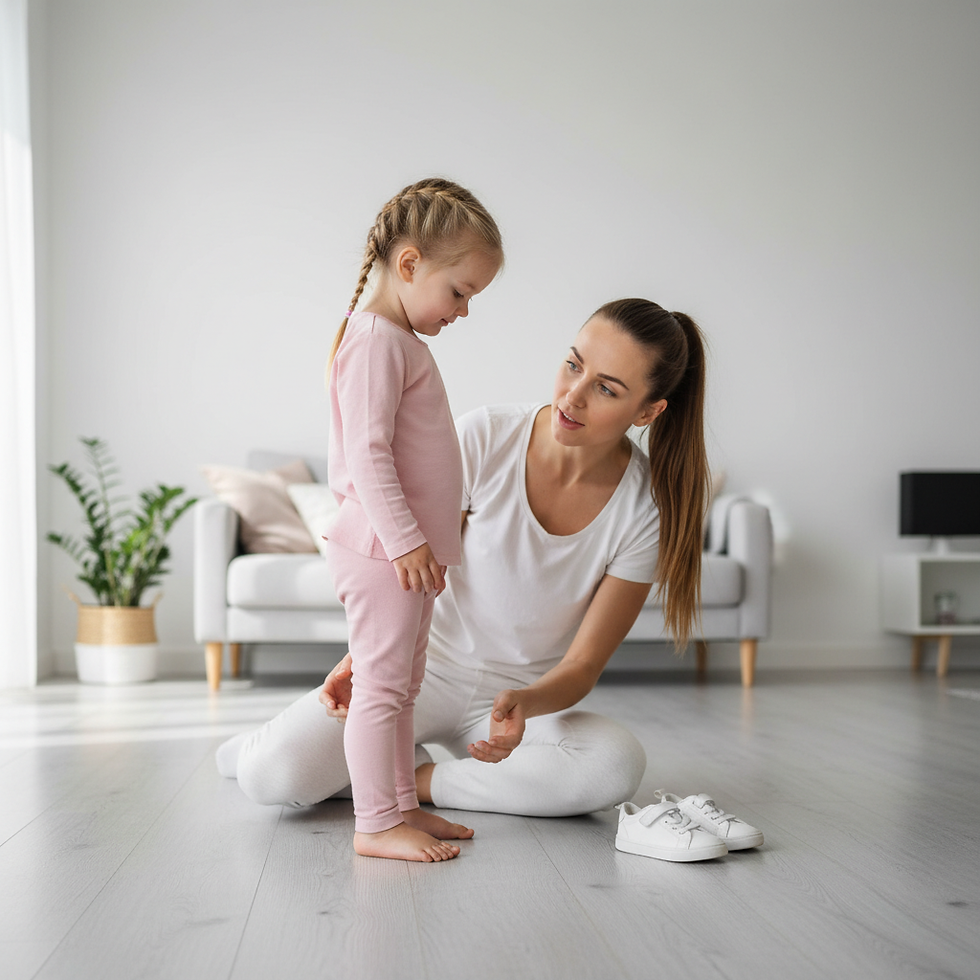
If your child has worn conventional shoes with thick soles and arch support for a while, switching cold turkey can cause soreness. Their feet aren't used to working that hard. A gradual transition is the way to go.
Start by having your child wear the barefoot shoes for short periods, maybe 30 to 60 minutes a day. Let them wear the shoes around the house or on short walks first. Over 2 to 4 weeks, gradually increase the wear time until they're comfortable in them all day.
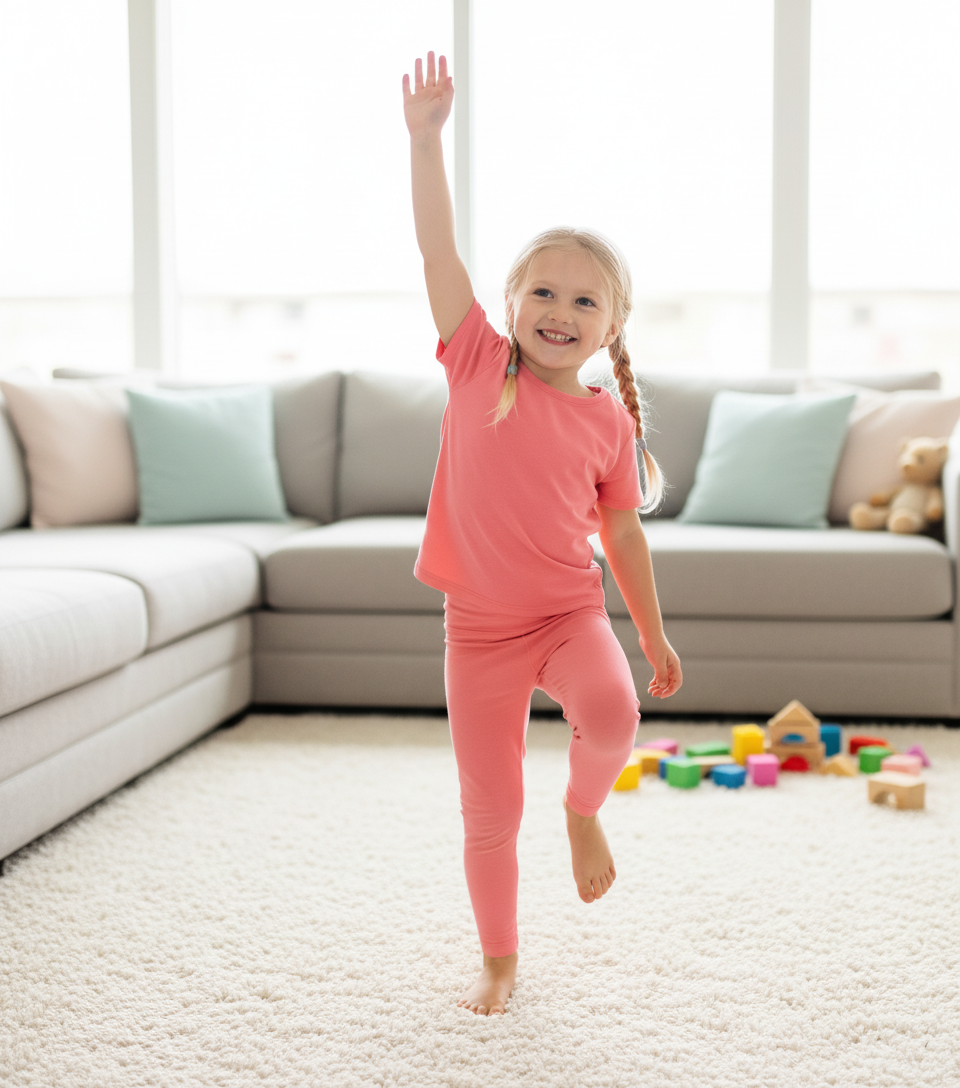
Pair the transition with more barefoot time indoors. Walking around the house without shoes or socks lets feet practice gripping and balancing on flat surfaces. I have both my kids spend most of their indoor time barefoot, and it makes a noticeable difference in their foot strength and toe spread.
If your child complains of foot pain during the transition, slow down. Some mild muscle soreness is normal as feet adjust, similar to soreness after trying a new exercise. But sharp pain or persistent discomfort means something is off, and it's worth checking in with a specialist.
When Barefoot Shoes Might Not Be Enough
Barefoot shoes work well for the majority of children with flexible flat feet. But there are situations where additional support or professional evaluation makes sense.
Your child's flat feet are rigid (the arch doesn't appear at all when they stand on tiptoes)
They experience regular pain in their feet, ankles, knees, or lower back
They trip or fall more frequently than other kids their age
Their ankles roll inward significantly when standing or walking
They avoid physical activities because their feet hurt or tire quickly
If any of these apply, I'd recommend getting a personal diagnostic assessment before making footwear changes. Every child's feet are different, and what works for most kids may not be the right starting point for yours.
You May Also Like
5 Flat Feet Exercises Kids Actually Enjoy Doing: Simple, fun exercises that build arch strength at home
6 Critical Reasons to Address Posture and Alignment Issues Early: Why early support for posture and alignment makes a lasting difference
Test Your Knowledge: Barefoot Shoes and Flat Feet
How much did you pick up from this post? Try these five questions.
1. At what age do arches typically develop in children?
A) Birth to 1 year
B) 3 to 6 years
C) 8 to 10 years
D) Arches are fully formed at birth
Answer: B. Most arches develop between ages 3 and 6, though it can take longer for some children.
2. What does "zero drop" mean in a shoe?
A) The shoe has no laces
B) The heel and toe are at the same height
C) The shoe has no sole at all
D) The shoe drops off easily
Answer: B. Zero drop means the sole is flat from heel to toe, with no raised heel.
3. Why should most kids with flexible flat feet avoid built-in arch supports?
A) They make shoes too expensive
B) They can weaken foot muscles by doing the work for them
C) They change the shoe color
D) They only work for adults
Answer: B. Arch supports can prevent foot muscles from developing the strength they need to form a natural arch.
4. What's the best way to transition a child to barefoot shoes?
A) Wear them all day immediately
B) Only wear them for sports
C) Start with 30 to 60 minutes a day and gradually increase
D) Alternate with high-heeled shoes
Answer: C. A gradual transition over 2 to 4 weeks helps feet adjust without soreness.
5. Which sign suggests a child's flat feet may need professional evaluation?
A) They prefer to play outside
B) Their arch appears when standing on tiptoes
C) They experience regular pain in their feet or ankles
D) They grow out of shoes quickly
Answer: C. Regular pain, rigid flat feet, or frequent tripping are signs worth discussing with a specialist.
Your Complete Footwear Reference
Choosing the right shoes for your child's feet doesn't have to be overwhelming. My Ultimate Footwear Guide covers everything from what to look for to common mistakes parents make, all in one place. And if you'd like a structured program to strengthen your child's feet and posture alongside better footwear choices, my Posture and Feet course walks you through it step by step.
The best shoe in the world can't replace strong, active feet. Start with the right footwear, add a few minutes of daily foot exercises, and watch your child's feet grow the way they were designed to.





Comments