Yoga for Kids Posture: 6 Simple Poses That Actually Help
- Juliana Lucky

- Aug 26, 2025
- 9 min read
Most kids spend a big chunk of their day sitting, whether at a school desk, on the couch, or hunched over a tablet. Over time, those habits show up in rounded shoulders, forward head tilt, and a general slump that becomes their default. Yoga for kids posture is one of the most effective ways to reverse that pattern, and it does not require a studio or special equipment.
I have been working as a posture correction specialist for over 15 years, and I have seen firsthand how a handful of simple yoga poses can reshape the way a child holds their body. My own kids (ages 5 and 9) practice these poses with me at home, and the difference in their awareness and alignment is clear. In this post, I will walk you through six yoga poses for kids posture that actually make a difference, with step-by-step instructions you can start using today.
Why Yoga Works for Kids Posture Correction
Before I get into the poses, it helps to understand why yoga is such a good fit for posture work with children. Yoga builds strength and flexibility at the same time. Most posture problems in kids come from a combination of weak back muscles and tight chest and hip muscles. Sitting all day shortens the hip flexors and rounds the upper back, while the muscles that hold the spine upright get weaker from lack of use.
Yoga poses target both sides of that equation, making yoga for kids posture correction a natural fit. Backbends open the chest and stretch the front body. Standing poses build leg and core strength. Balance poses train body awareness, which is the foundation of good posture. Research published by the National Institutes of Health confirms that yoga programs can improve postural stability and body awareness in school-age children.
The other advantage is that yoga is accessible. You do not need weights, bands, or machines. A carpeted floor or a yoga mat is enough. And because yoga uses the child's own body weight, the risk of strain is very low when poses are done correctly.
How to Know if Your Child Could Benefit
Not every child with imperfect posture needs intervention. Kids are still growing, and some postural variations are part of normal development. But there are a few signs that tell me a child would benefit from regular yoga practice.
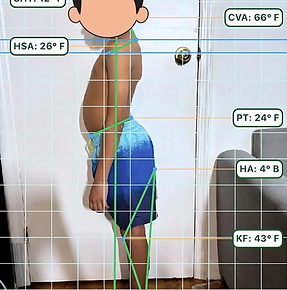
Look at your child from the side when they are standing naturally. If their ears sit forward of their shoulders, that is a forward head posture pattern. If their shoulders round forward and their upper back curves more than it should, that points to thoracic kyphosis. You might also notice that your child tends to lean on one hip or lock their knees when standing.
Another common sign is fatigue. Children with poor postural endurance often complain about being tired during activities that involve standing or sitting upright for more than a few minutes. They may fidget a lot at the dinner table or lean on their elbows during homework. These are not behavioral issues. They are signs that the muscles supporting the spine are not strong enough to do their job for extended periods.
If you notice several of these patterns, yoga for kids posture can be a gentle and effective starting point. Yoga for children's posture works because it addresses both the strength and flexibility sides of the problem at once. The American Academy of Pediatrics has noted that yoga is generally safe for children and can support physical development when practiced with age-appropriate modifications.
6 Yoga Poses for Kids Posture That Actually Help
Here are six poses I recommend and teach regularly. Each one targets a specific aspect of posture, from upper back strength to hip flexibility. I have included clear instructions so you can guide your child through them at home.
Cobra Pose (Chest and Upper Back Opener)
Have your child lie face down on the mat with their palms flat on the floor next to their shoulders. Their legs should be straight behind them with the tops of their feet pressing into the mat. On an inhale, they press gently through their hands and lift their chest off the floor. The elbows stay slightly bent and close to the body. They should look straight ahead, not up at the ceiling, to keep the neck in line with the spine.
Hold for three to five breaths, then lower down slowly. This pose stretches the chest muscles that get tight from sitting and strengthens the muscles along the spine. For younger children (ages 4 to 6), keep the lift small. Older kids can press up a bit higher as long as their hips stay on the mat.
Cat-Cow Pose (Spinal Mobility)
This one is a two-part movement that loosens the entire spine. Your child starts on all fours with hands under shoulders and knees under hips. On an inhale, they drop the belly toward the floor, lift the chest, and look slightly upward (cow). On an exhale, they round the back up toward the ceiling, tuck the chin, and pull the belly button in (cat).
Move back and forth slowly for eight to ten rounds. Each movement should match the breath. Cat-Cow is one of the best warm-up poses because it gets the spine moving in both directions and teaches kids to connect movement with breathing. It is also a great way to check in with your child and see where they feel stiff.
Tree Pose (Balance and Alignment Awareness)
Standing on one leg might seem simple, but Tree Pose is a powerful posture builder. Your child stands tall with feet together. They shift weight onto the left foot, then place the right foot on the inside of the left calf or thigh (never on the knee). Hands can be on the hips or pressed together at the chest.
Hold for five to ten breaths, then switch sides. The key coaching cue is to keep the standing hip level, not letting it jut out to the side. This pose strengthens the ankles, legs, and core while training the brain to sense where the body is in space. That spatial awareness is what keeps kids from defaulting to a slouch when they are not thinking about it. If your child struggles with balance, they can keep one fingertip on a wall for support.
Bridge Pose (Hip Opener and Glute Strengthener)
Your child lies on their back with knees bent and feet flat on the floor, hip-width apart. Arms rest at their sides with palms down. On an inhale, they press through their feet and lift the hips off the floor until the body forms a straight line from shoulders to knees. The chin stays slightly tucked, and the shoulders press into the mat.
Hold for five breaths, then lower down one vertebra at a time. Bridge Pose strengthens the glutes and hamstrings, which support the pelvis and lower back. It also stretches the hip flexors, which get short and tight from sitting. For children who sit for long stretches during school, this is one of the most valuable yoga poses for kids posture improvement.
Warrior Two (Leg Strength and Core Stability)
From standing, your child steps one foot back about three to four feet. The front foot points forward and the back foot turns out at about a 90-degree angle. They bend the front knee over the ankle (not past the toes) and extend both arms out to the sides at shoulder height, palms facing down.
Hold for five to eight breaths per side. Warrior Two builds strength in the legs, opens the hips, and engages the core. The arm position also works the muscles between the shoulder blades, which are often weak in children with rounded shoulders. Remind your child to keep the torso upright and resist the urge to lean forward over the front leg.
Child's Pose (Rest and Spinal Lengthening)
This is the resting pose, but it also does real work for posture. Your child kneels on the mat, sits back on their heels, and folds forward with arms extended in front. The forehead rests on the mat. If the forehead does not reach, place a folded towel or small pillow under it.
Hold for five to ten breaths. Child's Pose gently stretches the lower back, hips, and shoulders. It also lengthens the spine through traction, which feels great after a day of compression from sitting. I like to use this pose at the end of a practice session as a way for kids to check in with their body and notice how they feel after moving.
Building a Simple Yoga Posture Routine for Kids
Having the poses is the first step toward real kids yoga posture correction. Building them into a routine is what creates lasting change. Here is how I suggest setting it up.
Start with three sessions per week, about ten minutes each. That is enough to build the habit without making it feel like a chore. A good sequence is Cat-Cow (warm up), Cobra (chest opener), Warrior Two (strength), Tree Pose (balance), Bridge (hips and glutes), and Child's Pose (cool down).
Let your child lead the pace. If they want to hold a pose longer, let them. If they want to skip one, that is fine too. The goal is consistency over perfection. A child who does a relaxed ten-minute yoga session three times a week will see more postural improvement than one who does a perfect 30-minute session once a month.
For families who want a more structured approach, I cover yoga-based movement and posture exercises in my Yoga and Mindfulness for Kids book, which includes routines designed for different ages and ability levels.
Tips to Keep Kids Engaged During Yoga Practice
Getting kids to try yoga is usually easy. Getting them to stick with it takes a little strategy. Here are a few things that work well in my experience.
First, practice with them. Kids are far more likely to enjoy yoga when a parent does it alongside them. It turns a solo exercise into a shared activity. My kids and I have a routine we do together on weekend mornings, and they look forward to it because it feels like our time together, not like a homework assignment.
Second, let them pick a pose to start with. Giving them a small choice increases buy-in. Third, keep it playful. Make animal sounds in Cat-Cow. Pretend the floor is lava during Tree Pose. The silliness does not take away from the physical benefit. According to a study highlighted by Harvard Health Publishing, playful approaches to physical activity help children develop long-term movement habits.
Avoid correcting every little thing. If their form is roughly right, praise the effort and make one small adjustment at a time. Over-correcting turns yoga into a test, and kids will check out fast.
You May Also Like
If you found this helpful, you might also enjoy these related posts on my blog:
Simple Tips for Keeping Kids Active and Flexible covers practical ideas for building more movement into your child's daily routine beyond yoga.
6 Critical Reasons to Address Posture and Alignment Issues Early explains why posture patterns in childhood matter and what happens when they go uncorrected.
Quiz: Test Your Knowledge of Yoga for Kids Posture
1. Which yoga pose is best for opening a tight chest from too much sitting?
A) Tree Pose
B) Cobra Pose
C) Child's Pose
D) Cat-Cow
Answer: B) Cobra Pose. It stretches the chest muscles that shorten from prolonged sitting.
2. How often should kids practice yoga for noticeable posture improvement?
A) Once a month
B) Once a week
C) Three times a week
D) Every day for an hour
Answer: C) Three times a week. Short, consistent sessions work better than infrequent long ones.
3. What should you avoid placing the foot on during Tree Pose?
A) The calf
B) The thigh
C) The knee
D) The floor
Answer: C) The knee. Pressing on the knee joint can cause strain. Place the foot on the calf or thigh instead.
4. Which pose helps stretch the hip flexors that get tight from sitting?
A) Warrior Two
B) Bridge Pose
C) Cat-Cow
D) Cobra Pose
Answer: B) Bridge Pose. It stretches the hip flexors while strengthening the glutes and hamstrings.
5. What is the most important factor for seeing posture results from kids yoga?
A) Perfect form
B) Long sessions
C) Expensive equipment
D) Consistency
Answer: D) Consistency. Regular practice, even if short and imperfect, leads to the best posture improvements over time.
Start Building Better Posture Habits Today
If these poses resonated with you and you want a complete, guided program for your child, my Yoga and Mindfulness for Kids book gives you step-by-step routines with illustrations for every age group. You can also explore my Posture and Feet course for a structured video program that addresses alignment from head to toe. And if you are not sure where your child stands, a personal diagnostic can give you a clear picture of what to focus on.
Good posture is a skill, and like any skill, it gets stronger with practice.




Comments